Have small brown spots appeared across your nose and cheeks, and multiplied over the years? Do they darken every summer and after any stretch of time outdoors? Are they scattered across your hands, forearms, and shoulders as well as your face? Small pigmented spots respond well to treatment, often very well. The important part is working out what they actually are first, because at least five different things produce brown spots on the face, they need different treatment, and one of them needs examining rather than lasering. At Reborn Skin and Hair Clinic, Bangalore, we treat freckles and pigmented spots for men and women across the city. Patients come to us from Indiranagar, Koramangala, Whitefield, HSR Layout, Jayanagar, JP Nagar, Marathahalli, Malleshwaram, Electronic City, Bannerghatta Road, Hebbal, and Yelahanka. This page starts with how to tell the types apart, because on Indian skin the spot most people call a freckle is frequently something else entirely, with a different and often simpler treatment.
We have treated several patients coming for this treatment from nearby localities like Aundh, Pashan, Hinjewadi, Ravet, Balewadi, Wakad, Pimple Saudagar, Pimple Nilakh, PCMC, Park Street, Sus and Mahalunge in Pune.
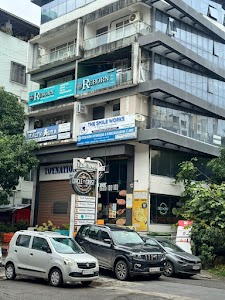
2ND FLOOR, TULIP TOWER, above TOYNATION, Madhavbaug Society, Balewadi Phata, Baner, Pune, Maharashtra 411069
We have provided treatment to a number of patients who came from Pune station and surrounding areas, including Wagholi, Kharadi, Wadgaon Sheri, Viman Nagar, Camp, Amanora Park, Magarpatta, Kalyani Nagar, Hadapsar, NIBM Road, Fatima Nagar, Salunkhe Vihar, Wanwadi and Mundhwa, in Pune.
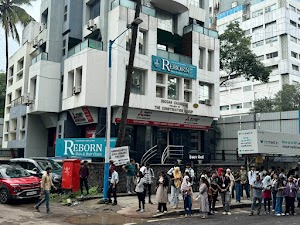
1ST FLOOR, Gera legend, UNIT NO 107, N Main Rd, above KRISHNA MEDICARE, Ragvilas Society, Koregaon Park, Pune, Maharashtra 411001
We have treated various patients who came for this treatment from adjacent areas, such as Swargate, Deccan Gymkhana, Karve Nagar, Kothrud, Model Colony, Prabhat Road, Bhandarkar Road, Nanded City, Warje, and Katraj in Pune.
CTS No 33, Deccan Chamber, A2 2nd Floor, Nr Sahaydri Hospital, 20, Karve Rd, nr. Garware Metro station, above Mitsubishi cooling Planet, Deccan Gymkhana, Pune, Maharashtra 411004


Treatment |
Cost per session |
|---|---|
| Freckles Removal Treatment in Bangalore (starting) | Starts at ₹2,500 |
Prices mentioned are indicative and may vary based on individual condition and treatment plan. Final pricing confirmed after consultation. EMI available.
What Affects the Cost?
The starting figure above is for a chemical peel session. Laser sessions are priced higher and quoted after your skin is assessed. Prescribed topical treatment is a separate monthly cost and is usually part of the plan rather than an alternative to it.
Easy EMI Options Available – Zero-interest EMI plans available on select packages.
No Hidden Charges, Ever – All prices include consultation, sessions, and post-care guidance.
When considering the freckle removal cost near me, we offer transparent, customized pricing with no hidden charges.
We’re bringing advanced skin, hair & aesthetic treatments closer to you.
Reborn Skin & Hair Clinic is arriving soon in Bangalore.
Stay tuned for our grand opening and experience expert care with personalized treatments.
Opening Soon • Bangalore
This matters more than any device, and it is where most disappointing results begin.
True freckles. Small, flat, light to medium brown, usually 1 to 3 millimetres, scattered across sun-exposed skin. They appear in childhood, darken noticeably with sun exposure, and fade when you stay out of it. They are strongly associated with fair skin and are genuinely uncommon on most Indian skin types.
Sun spots, or solar lentigines. Larger, darker, more sharply edged, and crucially they do not fade seasonally. They appear from the thirties onwards on skin that has had years of sun, particularly the cheeks, forehead, hands, forearms, and shoulders. On Indian skin, this is what most adults calling their spots freckles actually have, and it responds very well to treatment.
Melasma. Larger symmetrical patches rather than distinct spots, usually across the cheeks, upper lip, and forehead, with blurred rather than sharp borders. Driven by hormones as well as sun and heat, and it behaves completely differently. Treating melasma aggressively with laser can make it considerably worse, which is why this distinction is not academic.
Post-inflammatory pigmentation. Brown marks sitting exactly where acne, an insect bite, a scratch, or a burn used to be. Very common on Indian skin and often self-limiting, though slowly.
Dermatosis papulosa nigra. Small dark spots that are slightly raised rather than flat, typically across the cheeks and around the eyes, often running in families and common in Indian and darker skin from the thirties onwards. Run a fingertip across them. If they catch rather than feel smooth, these are not freckles. They are benign growths, and they are removed with fine cautery or a similar technique rather than pigment laser, which does very little for them.
Seborrhoeic keratoses. Larger, waxy, slightly raised, with a stuck-on appearance. Benign, and again removed rather than lasered for pigment.
The practical test. Close your eyes and run a fingertip lightly over the spots. Smooth and flat points towards freckles, lentigines, melasma, or post-inflammatory marks. Anything you can feel is a growth rather than a pigment spot, and needs a different approach. A doctor confirms this under magnification.

This is a short section and the most important one on the page.
Not every brown spot is harmless. Before treating pigmentation, a doctor examines your skin and checks every lesion, because lasering a spot that needed examining removes the evidence and delays a diagnosis that matters.
Ask for assessment before treatment if a spot is:
Also mention any spot that bleeds, crusts, itches persistently, does not heal, or simply looks different from all your others.
What we do. Every patient having pigmentation treatment is examined with magnification first, and anything suspicious is assessed properly rather than treated cosmetically. Where a lesion needs a biopsy or a specialist opinion, we will say so and arrange it.
This applies wherever you go. If a clinic offers to laser your spots without examining them individually, that is a reason to go elsewhere.
Medical topical regimen. Prescribed agents that reduce pigment production, usually combined with a retinoid, used nightly over several months. This is the foundation of almost every pigmentation plan rather than an optional extra, and for some people it is all that is needed.
Chemical peels. Superficial and medium-depth peels lift pigmented surface layers and speed fading, given as a course spaced a few weeks apart. Gentle, affordable, and well suited to brown skin when appropriately selected.
Pigment-targeting laser. Short-pulse and ultra-short-pulse lasers deliver energy absorbed by the pigment itself, breaking it into fragments the body clears over the following weeks. Very effective for defined spots such as lentigines. Settings are chosen conservatively on Indian skin, and a test spot is done first.
Fractional laser resurfacing. Used where pigmentation sits alongside texture problems, fine lines, or scarring, rather than for pigment alone.
Cryotherapy. Controlled freezing of individual lesions, discussed in its own section below because it carries a specific consideration on brown skin.
Fine cautery or electrodesiccation. For raised lesions such as dermatosis papulosa nigra and seborrhoeic keratoses, where the spot is a growth rather than pigment in flat skin. Quick, precise, and far more appropriate than laser for these.
Daily sun protection. Not an add-on. Described properly below.
A doctor examines your skin under magnification and good light, distinguishes flat pigment from raised growths, identifies whether you have freckles, lentigines, melasma, post-inflammatory marks, or a combination, and checks every lesion for features that need proper assessment. Your skin type, sun exposure, occupation and commute, previous treatments, current products, and any tendency to darken after injury are recorded. Photographs are taken in consistent lighting. You then receive a staged plan with a written cost.
A test spot is done before any full laser session on brown skin. Your skin is usually prepared with a topical regimen for two to four weeks beforehand, which reduces the chance of darkening afterwards. Any active acne, infection, or cold sore is treated first, and antiviral cover prescribed where there is a cold sore history. Recent sun exposure or a fresh tan defers treatment, which matters here more than most places.
For a peel, the skin is cleansed and the solution applied in timed layers, with a stinging sensation that settles quickly. For laser, numbing cream is applied where needed, eye shields are worn, and each spot is treated individually with a snapping sensation. Treated spots darken immediately, which is expected. Soothing product and sunscreen are applied afterwards.
15 to 30 minutes depending on method and area.
None. These are outpatient treatments and you go home the same day.
Laser-treated spots darken, crust, and flake off over 7 to 14 days. Peels work progressively across a course over 2 to 4 months. Topical regimens show change over 3 to 6 months.
Cryotherapy comes up often in searches, so here is the honest position.

Freezing works. Applied to a pigmented lesion, it destroys the treated cells, which then crust and separate over a week or two. It is quick, inexpensive, and needs no device beyond the canister.
The consideration on Indian skin is that pigment-producing cells are particularly sensitive to cold. Freezing can destroy them beyond the intended lesion, leaving a pale or white mark where the brown spot used to be. On fair skin this is often barely noticeable. On brown skin a white patch can be considerably more obvious than the spot you came in to treat, and it does not always recover.
So we use it selectively, with short controlled applications, on lesions where it is genuinely the better option, and we tell you the risk before rather than after. If a provider reaches for the cryo canister without discussing this with you, ask about it directly.
The part that decides whether your money was well spent.
Freckles and sun spots are driven by ultraviolet exposure acting on skin that is genetically inclined to produce pigment. Treatment clears what is there. It does not change your genetics and it does not stop future sun exposure from producing more.
Without daily sun protection, they return. Sometimes within a single summer. This is not a failed treatment, it is the same process that produced them in the first place continuing uninterrupted.
What daily protection actually means here. Broad-spectrum sunscreen every morning, reapplied through the day, on the face, ears, neck, and the backs of the hands, which people forget and which show it most.
Why Bangalore in particular. The city sits at altitude with strong ultraviolet levels all year rather than seasonally, including on overcast days and through car and office windows. Long two-wheeler commutes expose the face, forearms, and backs of the hands directly and daily. A visor, sunglasses, and covering the arms make a measurable difference over months.
The honest summary. Treatment plus sun protection gives a lasting improvement. Treatment without sun protection gives a temporary one, and you will be back.
Critical Safety Note : Report any pigmented spot that has changed in size, shape, colour, or thickness, that bleeds, itches persistently, or looks different from your others. These need examination before any cosmetic treatment. Tell your doctor if you are pregnant, breastfeeding, or planning a pregnancy. Declare any history of keloid scarring, cold sores, vitiligo, or autoimmune skin disease, and any tendency to darken after cuts, bites, or previous procedures. Declare current or recent isotretinoin use, every cream you apply including anything unlabelled or bought without a prescription, and any medicine that increases sun sensitivity.
Two search terms link these, and there is a genuine safety point behind them.
Laser hair removal works by targeting melanin in the hair. Freckles, lentigines, and moles also contain melanin, so they absorb that energy too. Treating over a pigmented spot can cause it to darken, blister, crust, or in some cases lighten unevenly.
What should happen. The practitioner examines the area, identifies pigmented lesions, and covers moles and prominent spots with a white pencil or marker so the laser passes over them. Dense freckling in a treatment area should be discussed before starting, and settings adjusted.
Tell them. If you are having laser hair removal anywhere, point out your moles and pigmented spots rather than assuming they have been noticed.
In the other direction, treating pigmentation and having hair removal in the same area is usually staged rather than done together, with the skin allowed to settle in between.
Searching for a dermatologist near you in Bangalore? Our team of qualified skin doctors, dermatologists and hair specialists personalizes every treatment based on your skin type and concern. Consult our dermatologist in Bangalore and skin specialists at our nearest skin and hair clinic
MBBS, DVD
Dermatologist & Venerologist
MDS(Maxillofacial surgeon)
Aesthetic Physician
MDS, Maxillofacial &
Hair Transplant Surgeon
MBBS, DDV, FAM
Dermatologist
Searching for a dermatologist near you in Mumbai? Our team of qualified skin doctors, dermatologists and hair specialists personalizes every treatment based on your skin type and concern. Consult our dermatologist in Mumbai and skin specialists at our nearest skin and hair clinic
MBBS, DVD
Dermatologist & Venerologist
MDS(Maxillofacial surgeon)
Aesthetic Physician
MDS, Maxillofacial &
Hair Transplant Surgeon
MBBS, DDV, FAM
Dermatologist
True freckles are small flat brown spots that appear in childhood, darken with sun, and fade when you stay out of it, and they are strongly linked to fair skin. On Indian skin, most adults with brown spots actually have solar lentigines, which are larger, darker, sharply edged, appear from the thirties onwards, and do not fade seasonally. They respond very well to treatment.
Freckles and sun spots are distinct spots with fairly sharp edges. Melasma appears as larger symmetrical patches with blurred borders, usually across the cheeks, upper lip, and forehead, and is driven by hormones as well as sun and heat. The distinction matters because aggressive laser can make melasma considerably worse, so it needs an entirely different approach.
The spots treated are cleared, but your skin retains the genetic tendency to produce pigment and future sun exposure produces new ones. Without daily sun protection they return, sometimes within a single summer. Treatment combined with consistent sunscreen gives a lasting improvement. Anyone promising permanent removal is not accounting for how these spots form.
If a fingertip catches on them, they are raised growths rather than flat pigment. The most common are dermatosis papulosa nigra, which are benign, run in families, appear on the cheeks and around the eyes, and are very common in Indian and darker skin. These are removed with fine cautery rather than pigment laser, which does very little for them.
Yes, with the right settings and preparation. Darker skin produces pigment readily in response to heat, so aggressive treatment can cause darkening worse than the original spots. We do a test spot first, prepare the skin with a topical regimen beforehand, use conservative settings, and require that you avoid sun and tanning before treatment.
Most people need 3 to 6 sessions spaced several weeks apart, depending on how many spots there are, how dark they are, and which method suits your skin. Laser-treated spots darken and flake off over 7 to 14 days after each session. Peels and medical topicals work progressively over 2 to 6 months rather than session by session.
It works, but it carries a specific consideration on brown skin. Pigment-producing cells are sensitive to cold, so freezing can leave a pale or white mark where the brown spot was, and a white patch is often more noticeable than the original spot. We use cryotherapy selectively, with short controlled applications, and discuss the risk with you beforehand.
If it is asymmetrical, has an irregular border, contains more than one colour, is larger than your other spots, or has changed in size, shape, colour, or thickness. Also if it bleeds, crusts, itches persistently, or simply looks different from all your others. Any clinic offering to laser your spots without examining them individually should be avoided.
It can. Laser hair removal targets melanin in hair, and pigmented spots contain melanin too, so they can darken, blister, or lighten unevenly. Moles and prominent spots should be covered with a white pencil so the laser passes over them. Always point out your moles and pigmented spots rather than assuming the practitioner has noticed.
Book a free consultation at Reborn Skin and Hair Clinic, Bangalore. A doctor will examine your skin under magnification, distinguish flat pigment from raised growths, identify whether you have freckles, sun spots, melasma, or post-inflammatory marks, and check every lesion before anything is treated. You will receive a staged plan, realistic expectations, and a written cost. We see patients from across Bangalore.
Reduce the appearance of freckles and achieve a more even-looking complexion with personalized Freckles Removal Treatment in Bangalore. Book your free consultation today.
Advanced Skin, hair & Asthetic Treatments Now Closer to You!
Trusted in Pune, Mumbai, Hyderabad, Goa & Jaipur.
Coming Soon to BANGALORE.
Stay Tuned for Our Grand Launch!
EXPERT CARE AWAITS
We’re getting ready to welcome you.
Advanced Skin, hair & Asthetic Treatments Now Closer to You!
Stay Tuned for Our Grand Launch!
EXPERT CARE AWAITS
We’re getting ready to welcome you.