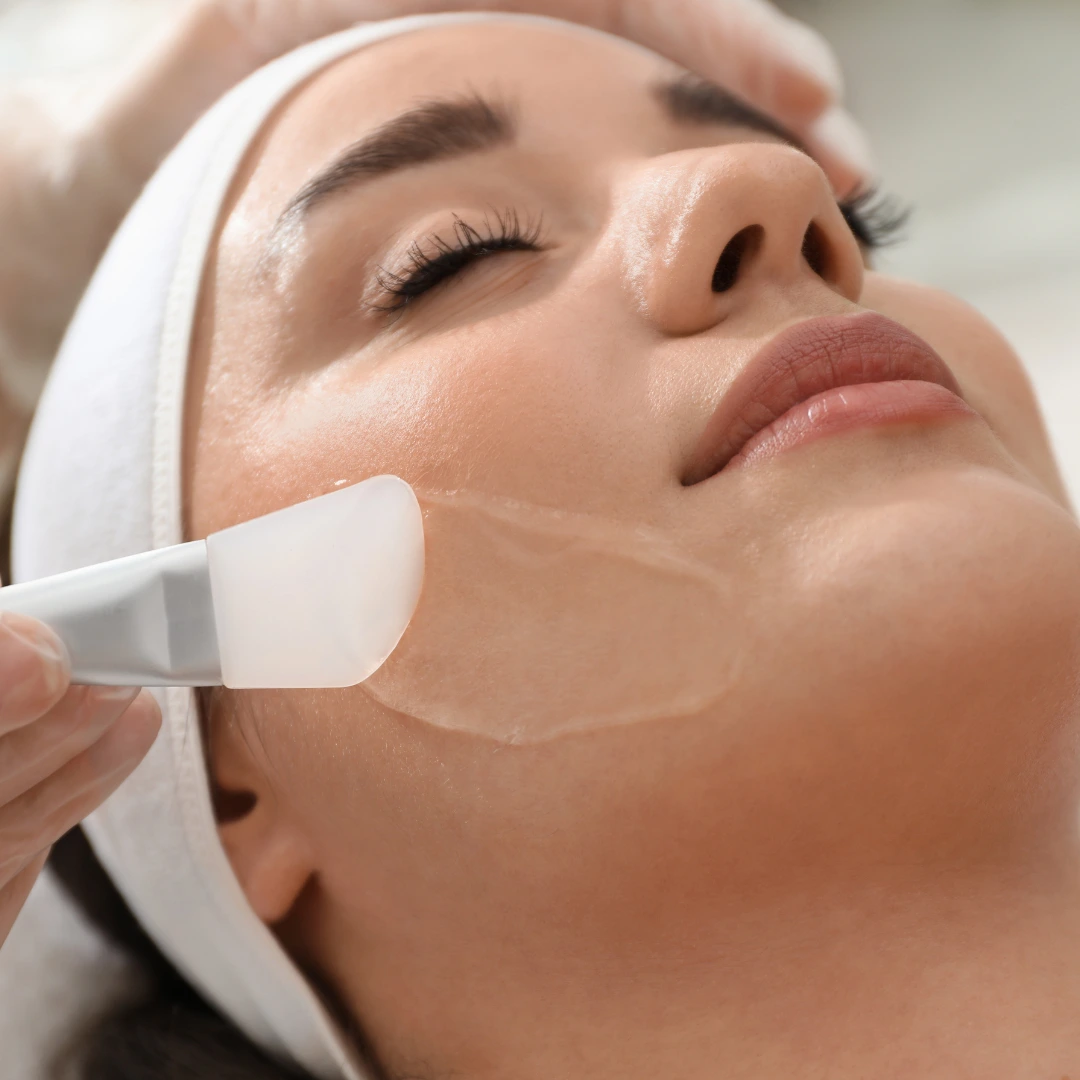
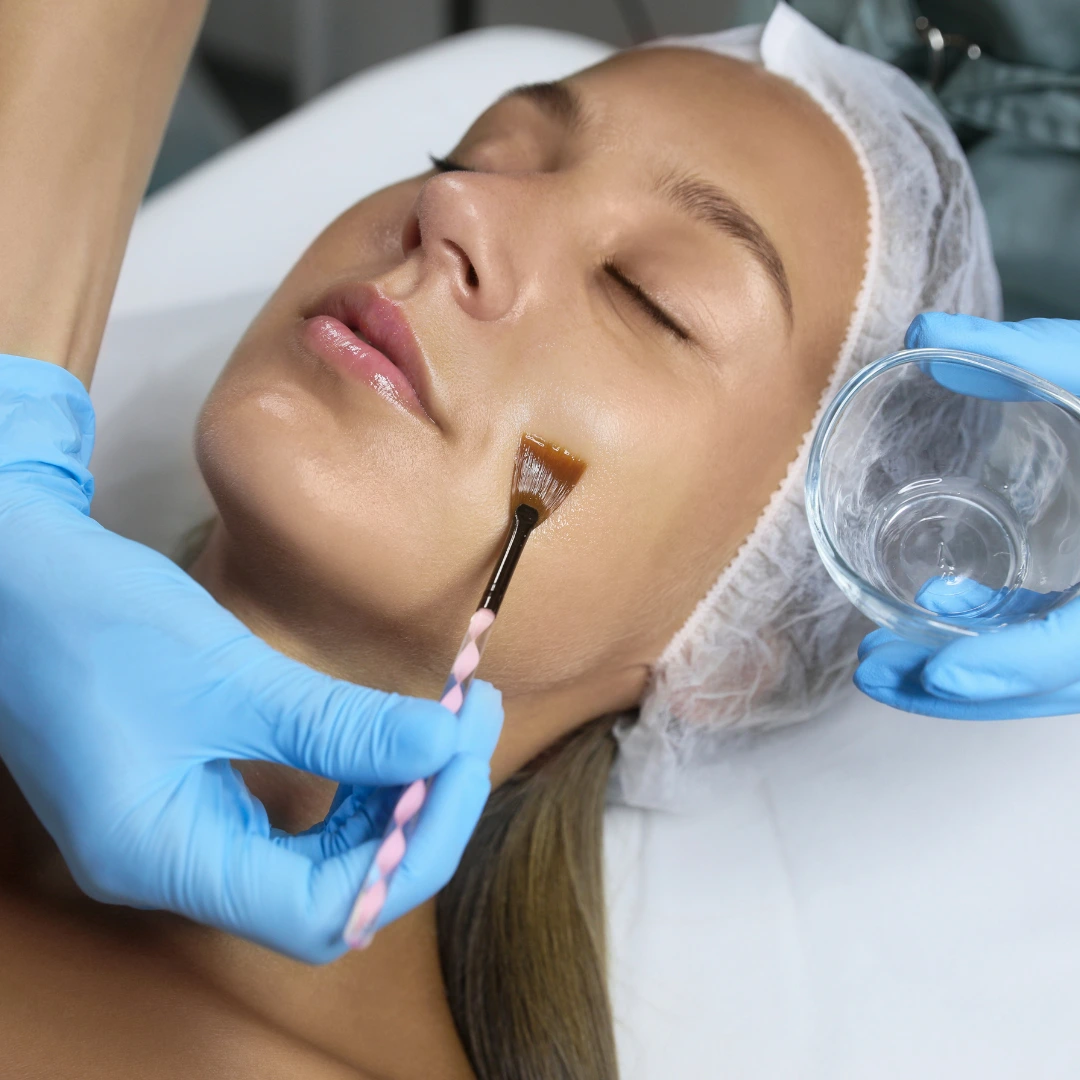
Transform your skin with professional chemical peel treatment in Mumbai – a proven solution for acne, pigmentation, fine lines, and uneven texture. This medical-grade exfoliation removes damaged layers, revealing smoother, brighter skin.
Mumbai’s humidity, pollution, and sun exposure challenge skin daily. From Bandra to Andheri, South Mumbai to Thane, Reborn Skin and Hair Clinic offers customized chemical peels for Indian skin tones, ensuring safe, effective results.
Treatment |
Cost per session |
|---|---|
| Superficial Peel | ₹2,000 – ₹3,500 Enquire Now |
| Medium-Depth Peel | ₹3,500 – ₹6,000 Enquire Now |
| Deep Peel | ₹6,000 – ₹10,000 Enquire Now |
Prices mentioned are indicative and may vary based on individual condition and treatment plan. Final pricing confirmed after consultation. EMI available.
Cost Factors:
We have treated several patients coming for skin and hair treatments to our Mumbai branch in Andheri West from nearby localities such as Juhu, Versova, Lokhandwala, Shastri Nagar, Swami Samarth Nagar, Azad Nagar, Jogeshwari, Vile Parle, Goregaon, and Oshiwara.
Reborn Skin & Hair Clinic
Office no 506, 5th Floor, Aston Building, above Mercedes Benz Showroom, near Lokhandwala Circle, Sundervan Complex, Shastri Nagar, Andheri West, Mumbai, Maharashtra 400053, India


Cleanses pollution-clogged pores Reduces excess oil from humidity Fades sun-induced pigmentation Repairs environmental damage
Smoother texture and even tone Diminished fine lines and pigmentation Clearer complexion, minimized acne Refined pores, natural glow
Customizable for Indian skin (Fitzpatrick III-VI) Minimal downtime with superficial peels Quick 15-30 minute procedure Cost-effective solution Safe with qualified dermatologists
Dermatologist examines skin, determines appropriate peel type, strength, sessions, and provides cost details.
Skin primed with prescribed creams (retinoids, hydroquinone) for optimal results.
Thorough cleansing Protection on sensitive areas Chemical solution applied evenly Timed based on peel type Neutralization (if required) Cooling and soothing products
15-30 minutes Frequency: Every 2-4 weeks (superficial); 4-6 weeks (medium) Total Sessions: 3-6 typically
Inform doctor if pregnant, breastfeeding, have active infections, recent isotretinoin use, or keloid tendency.
Superficial (3-5 days flaking), Medium (5-7 days peeling)
Pollution requires extra care – cleanse twice daily, use antioxidant serums post-recovery, indoor activities during peak pollution.
Severe pain, infection signs, blistering, severe hyperpigmentation.
Searching for a dermatologist near you in Mumbai? Our team of qualified skin doctors, dermatologists and hair specialists personalizes every treatment based on your skin type and concern. Consult our dermatologist in Mumbai and skin specialists at our nearest skin and hair clinic
MBBS, DVD
Dermatologist & Venereologist
MBBS, MD
Dermatologist
MDS(Maxillofacial surgeon)
Aesthetic Physician
MDS, Maxillofacial &
Hair Transplant Surgeon

MBBS, DDV, FAM
Dermatologist
Searching for a dermatologist near you in Mumbai? Our team of qualified skin doctors, dermatologists and hair specialists personalizes every treatment based on your skin type and concern. Consult our dermatologist in Mumbai and skin specialists at our nearest skin and hair clinic
MBBS, DVD
Dermatologist & Venereologist
MBBS, MD
Dermatologist
MDS(Maxillofacial surgeon)
Aesthetic Physician
MDS, Maxillofacial &
Hair Transplant Surgeon
MBBS, DDV, FAM
Dermatologist
A chemical peel treatment, also called a skin peel treatment, uses a medical-grade solution to exfoliate damaged skin layers in a controlled way. Unlike a facial, a peel is selected by a dermatologist to address concerns such as pigmentation, tanning, acne marks, and uneven skin tone.
Chemical peels may help improve pigmentation, dark spots, tanning, acne marks, uneven skin tone, dullness, and mild skin texture concerns. Depending on the concern, peels may also be performed on the neck, underarms, hands, or back. Deep acne scars may require combination treatments.
Superficial peels work mainly on the outermost skin layer and usually have minimal downtime. Medium-depth peels penetrate further and may cause more visible peeling. Deep chemical peels reach deeper layers and require longer recovery, so they are used selectively. A deeper peel is not necessarily better for every skin concern.
The right chemical peel depends on your skin type and concern. Glycolic, lactic, or mandelic peels may be used for dullness, tanning, and pigmentation, while salicylic acid peels are commonly used for oily or acne-prone skin. TCA peels may be considered for selected deeper marks. A dermatologist should determine the appropriate peel and strength.
Chemical peels can be used on Indian and darker skin tones when the peel type and strength are carefully selected. Because melanin-rich skin may be more prone to post-inflammatory pigmentation, dermatologist assessment, appropriate preparation, and diligent sun protection are important. Some peels may also be deferred during pregnancy or breastfeeding.
Most chemical peel sessions cause mild tingling, warmth, or brief stinging rather than significant pain. The skin is cleansed, the peel solution is applied for a controlled period, and it is then neutralised or removed as appropriate. A soothing product and sunscreen may be applied afterward. A session often takes around 20–30 minutes.
Mild redness and flaking can occur after a chemical peel, particularly with stronger peels. Superficial peels may involve little or no downtime, while medium-depth peels can require several days of recovery. Visible peeling is not necessary for a peel to work. Avoid picking the skin and protect it from direct sunlight during recovery.
The number of chemical peel sessions depends on your skin concern, peel type, and response to treatment. Some people notice an improvement after one session, while pigmentation, tanning, or acne marks may require a series of treatments. Sessions are typically spaced according to your dermatologist's recommendation, with maintenance treatments considered when appropriate.
Common chemical peel side effects include temporary redness, tightness, sensitivity, and flaking. Temporary pigmentation changes can also occur, particularly without proper sun protection. Strong at-home peel kits, especially high-strength acid or TCA products, can cause burns, pigmentation, or scarring when misused. Professional peels should be selected and performed by a qualified dermatologist.
Chemical peels are commonly used for concerns such as pigmentation, tanning, and acne marks. HydraFacial focuses more on cleansing, exfoliation, and hydration, while laser treatments may be considered for selected pigmentation, texture, or deeper skin concerns. The right option depends on your skin assessment. For chemical peel treatment in Mumbai, Reborn Skin and Hair Clinic in Andheri West provides dermatologist-led treatment.