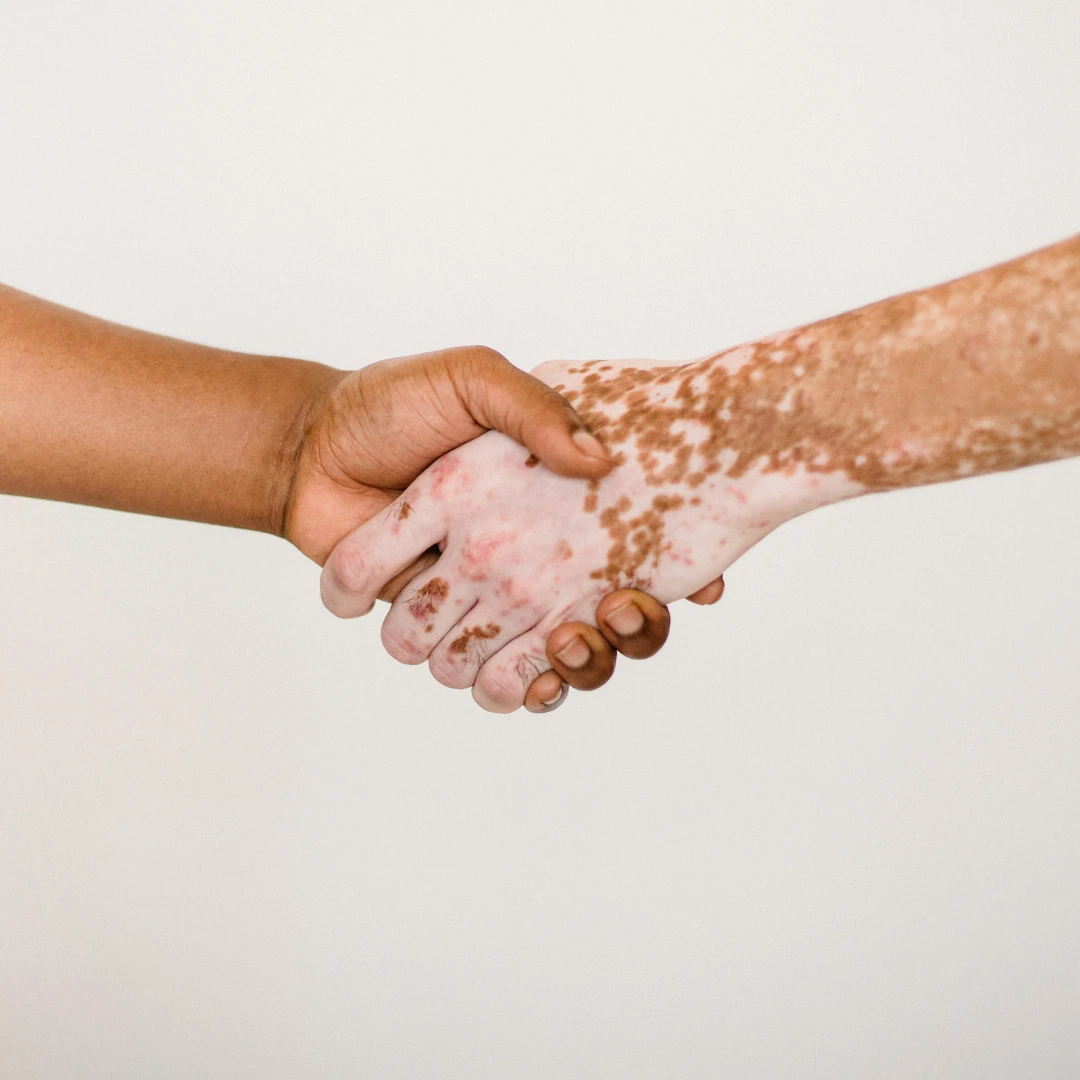
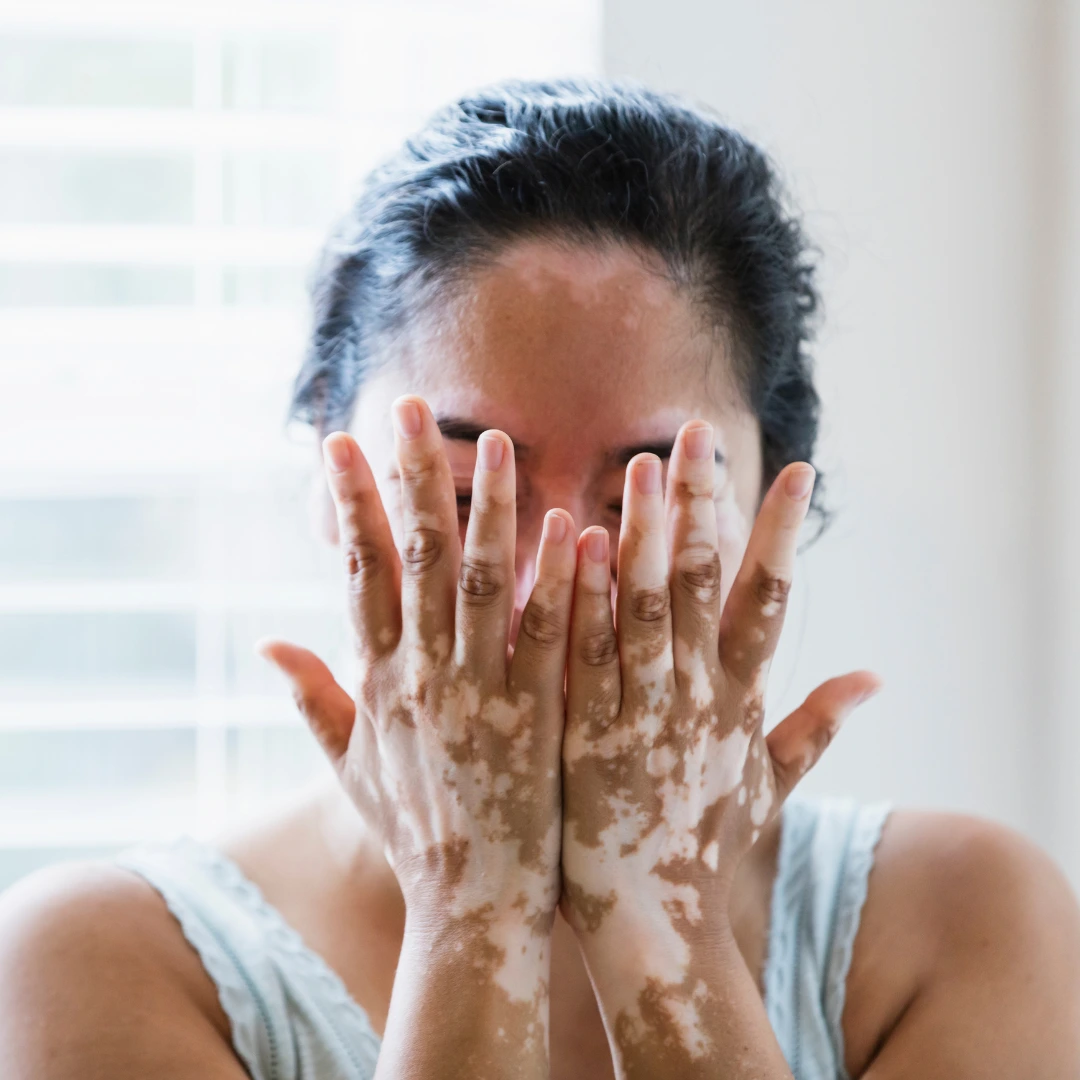
Are you seeing white patches appearing on your skin? Our Vitiligo treatment in Mumbai may help improve repigmentation in some areas; results vary from person to person. and bring back your confidence. This skin condition affects about 1 in 100 people and causes certain areas of skin to lose their color and turn white. Mumbai’s hot sun, high humidity, and pollution can make these white patches more visible.
The good news is that Mumbai has excellent skin clinics with advanced treatments. At Reborn Skin and Hair Clinic, we provide complete vitiligo treatment across Mumbai. Whether you’re in Bandra, Andheri, South Mumbai, or areas like Thane and Borivali, our experienced skin doctors can create a treatment plan just for you to help restore your skin’s color and confidence.
Treatment |
Cost per session |
|---|---|
| Vitiligo Treatment | ₹5,000 – ₹25,000per sessionEnquire Now |
Prices mentioned are indicative and may vary based on individual condition and treatment plan. Final pricing confirmed after consultation. EMI available.
Treatment costs depend on what type of treatment you need, how much of your skin is affected, and where the clinic is located:
What affects the cost? The amount of white patches you have, where the clinic is (areas like South Mumbai and Bandra usually cost more), your doctor’s experience, which treatment you choose, and how many sessions you need. Most people need treatment for 6-18 months. At Reborn Skin and Hair Clinic, we offer package deals for multiple sessions that save you money while giving you the best care.
We have treated several patients coming for skin and hair treatments to our Mumbai branch in Andheri West from nearby localities such as Juhu, Versova, Lokhandwala, Shastri Nagar, Swami Samarth Nagar, Azad Nagar, Jogeshwari, Vile Parle, Goregaon, and Oshiwara.
Reborn Skin & Hair Clinic
Office no 506, 5th Floor, Aston Building, above Mercedes Benz Showroom, near Lokhandwala Circle, Sundervan Complex, Shastri Nagar, Andheri West, Mumbai, Maharashtra 400053, India


Professional vitiligo treatment gives you many benefits beyond just improving how your skin looks. When you get expert care from experienced skin doctors in Mumbai, you’re taking care of both your body and mind.
May help slow the spread of white patches; response varies. May help some areas regain colour over time. Makes your skin tone more even. Protects white patches from sun damage (they burn easily). Improves your overall skin health.
Boosts your confidence and self-esteem. Reduces worry about how others see you Improves your overall happiness and mental peace. Helps you feel comfortable in Mumbai's. social and work environments.
May help limit further spread when treatment is started early. May help maintain improvement with proper care; outcomes vary between individuals. Reduces the need for makeup to cover patches. Gives you more freedom to wear what you want. Makes you more comfortable doing outdoor activities in Mumbai. Saves time not having to apply makeup every day.
Your doctor will check your complete health history, examine your skin, use a special lamp to see all affected areas, and talk about what results you want.
Your doctor may ask for blood tests to check other health conditions and thyroid levels. Rarely, a small skin sample may be needed.
If you're getting light therapy, you'll visit the clinic 2-3 times every week for 6-12 months. For creams, you'll apply them at home once or twice daily and come for check-ups every 4-6 weeks. Surgical procedures are done in the clinic with local numbing, taking 1-3 hours.
Your doctor will take regular photos to see progress, with monthly check-ins to adjust treatment if needed.
As affected areas respond, you may need fewer sessions; response varies. but will continue sun protection and check-ups every 3-6 months.
Get a health check-up, tell your doctor about all medicines you take, start using sunscreen daily (SPF 30+), and take photos of your skin.
Don't do beauty treatments on white patches, drink 8-10 glasses of water daily, sleep well, and plan your schedule for clinic visits.
Stay out of the sun, remove makeup before sessions, wear comfortable clothes, and ask your doctor about medicines that make you sun-sensitive.
Complete all tests, stop smoking 2 weeks before, avoid aspirin unless necessary, and arrange someone to take you home.
Plan treatment when sun isn't too strong, consider traffic when booking appointments, and cover skin during 11 AM to 4 PM.
After light therapy, avoid direct sun for 12-24 hours, apply prescribed moisturizer, use warm water for bathing, and skip makeup on treated areas. After surgery, keep bandages clean, take medicines on time, avoid exercise for 1-2 weeks, and watch for infection signs.
Apply strong sunscreen (SPF 50+) every 2-3 hours, wear full-sleeve clothes and hats, wash gently with mild soap, and continue prescribed medicines.
Reduce stress with yoga, eat healthy food, drink plenty of water, sleep well, and avoid smoking.
Take monthly photos to see improvement, attend all appointments, continue treatments as advised, and always use sunscreen.
You get severe burns or blisters, see infection signs (fever, pus, pain), notice rapid spreading, or feel very depressed.
Searching for a dermatologist near you in Mumbai? Our team of qualified skin doctors, dermatologists and hair specialists personalizes every treatment based on your skin type and concern. Consult our dermatologist in Mumbai and skin specialists at our nearest skin and hair clinic
MBBS, DVD
Dermatologist & Venereologist
MBBS, MD
Dermatologist
MDS(Maxillofacial surgeon)
Aesthetic Physician
MDS, Maxillofacial &
Hair Transplant Surgeon

MBBS, DDV, FAM
Dermatologist
Searching for a dermatologist near you in Mumbai? Our team of qualified skin doctors, dermatologists and hair specialists personalizes every treatment based on your skin type and concern. Consult our dermatologist in Mumbai and skin specialists at our nearest skin and hair clinic
MBBS, DVD
Dermatologist & Venereologist
MBBS, MD
Dermatologist
MDS(Maxillofacial surgeon)
Aesthetic Physician
MDS, Maxillofacial &
Hair Transplant Surgeon
MBBS, DDV, FAM
Dermatologist
Vitiligo is an autoimmune condition in which the body's immune system affects melanocytes, the cells that make skin colour, causing well-defined white patches. It can start at any age, including in children, and may appear anywhere on the body. Vitiligo is not an infection and not a form of skin cancer. Vitiligo treatment aims to stabilise the condition and bring colour back to the patches.
No, many white patches are not vitiligo. Fungal infections like tinea versicolor, pityriasis alba in children, and light marks left after skin injuries or eczema can all look similar, and most white patches are not caused by a vitamin deficiency. Because white patch treatment differs completely for each cause, a dermatologist confirms the diagnosis, often using a simple Wood's lamp examination, before starting anything.
Vitiligo is not contagious in any way. It cannot spread by touch, sharing food, clothes, or utensils, or through blood, and it is not connected to cancer. It is an autoimmune condition. A family tendency can exist, but most children of a parent with vitiligo never develop it; it is not "transferred" like an infection. People with vitiligo are completely safe to live, eat, and work with.
There is currently no permanent cure for vitiligo anywhere in the world, and any clinic promising one should be questioned. However, vitiligo is very much treatable: many people regain significant skin colour, especially when treatment starts early and patches are on the face or body rather than the fingertips. Research is active, and newer medicated creams have improved results. The goal of treatment is stability first, then repigmentation.
Dermatologists use a combination approach: medicated creams that calm the immune response, narrowband UVB phototherapy, excimer laser for small patches, and short courses of oral medicine when vitiligo is actively spreading. For stable patches that resist medicines, surgical options like melanocyte transfer exist, and medical camouflage or micropigmentation can blend visible areas. The right mix depends on your age, patch location, spread, and how active the condition is.
In many cases, active vitiligo can be brought under control with dermatologist-guided medicines and phototherapy, which is why early treatment matters more than anything else. Protecting the skin also helps, since new patches can appear at sites of cuts, friction, or sunburn. No treatment can promise that spread will stop permanently, so ongoing follow-up is part of the plan, especially in the first year.
Repigmentation is slow. The first specks of returning colour often appear after 2 to 3 months of regular treatment, and meaningful improvement usually takes 6 to 12 months or longer. Patches on the face and neck generally respond best, while lips, fingertips, and feet are the slowest areas. Consistency with sessions and creams matters more than any single treatment, and progress is tracked with photographs at follow-ups.
Vitiligo surgery, such as melanocyte transfer or grafting, is considered only when the condition has been stable, meaning no new or growing patches for around a year, and the remaining patches have not responded to medicines and phototherapy. In suitable cases it can restore colour to stubborn areas. It is not a first-line treatment and not appropriate during active spread, so stability is assessed carefully before planning it.
No diet, food combination, or home remedy has been proven to cause or cure vitiligo; the belief that fish with milk or sour foods trigger it has no scientific basis. A balanced, antioxidant-rich diet supports overall skin health but does not replace treatment. Be careful with unsupervised remedies like babchi oil, which can cause severe burns and blisters in sunlight. Any alternative approach is best discussed with your dermatologist first.
See a dermatologist as soon as you notice a new or growing white patch, because early diagnosis and treatment give the best chance of controlling vitiligo. The consultation includes a Wood's lamp examination to confirm whether it is vitiligo, sometimes thyroid screening since the two can be linked, and a treatment plan for adults or children.
For vitiligo treatment near you in Mumbai, you can visit Reborn Skin and Hair Clinic located at Andheri West.