
Hair Transplant Price in India: How It Works, Cost by City & What to Expect
In recent years, hair transplant treatments have gained immense popularity in India, becoming one of the most effective solutions for hair loss and baldness.
With advancements in technology and highly skilled dermatologists offering safe and effective procedures, more people are turning to hair transplants to restore both their hair and confidence.
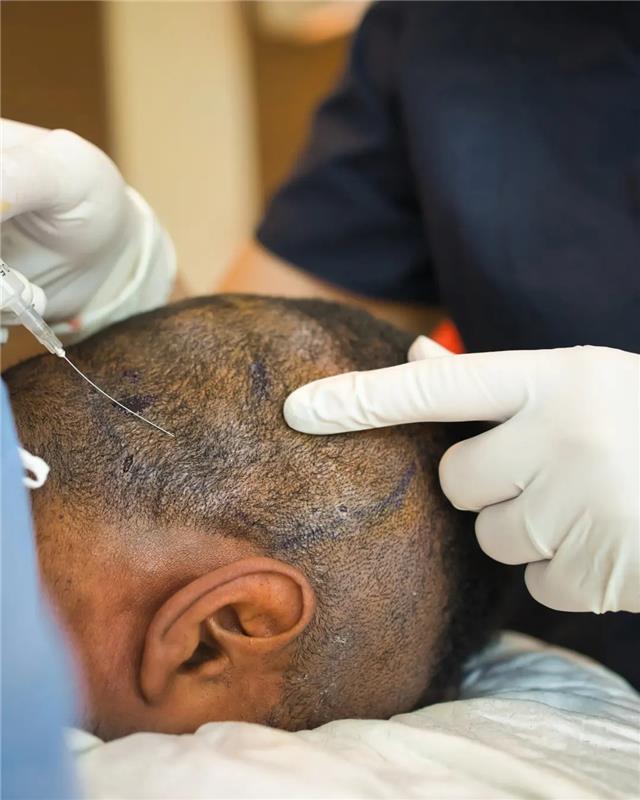
According to dermatologists, a hair transplant is a scientifically proven, minimally invasive procedure where healthy hair follicles are relocated from a donor area (usually the back of the scalp) to thinning or bald areas. The result is natural-looking hair growth that blends seamlessly with your existing hair.
Many individuals considering this treatment often have two main questions; how does a hair transplant actually work and what is the real hair transplant price in India?
In this blog, we’ll cover everything you need to know – from how hair transplant procedures work, different techniques, cost breakdown across Indian cities, to recovery, results, and safety tips that help you make an informed decision about your hair restoration journey.
If you are facing a skin concern, contact our treatment clinic near you |
|
| Pune | Baner |
| Karve Road | |
| Koregaon Park | |
| Hyderabad | Kukatpally |
| Banjara Hills | |
| Jaipur | Bapu Nagar |
| Goa | Porvorim |
| Mumbai | Andheri West |
If you are facing a skin concern, contact our treatment clinic near you
What Is a Hair Transplant?
A hair transplant is a medical procedure that restores hair in areas affected by thinning or baldness.
It works by moving healthy hair follicles from a donor area, usually the back or sides of the scalp, to regions where hair growth has stopped. These transplanted follicles continue to grow naturally, blending seamlessly with the existing hair.
This procedure offers a long-term and effective solution for hair loss, as the transplanted follicles are resistant to the hormones that cause hair fall. Unlike topical treatments or temporary fixes, the results are permanent and natural-looking.
People who are experiencing pattern baldness, a receding hairline, or thinning hair and who have sufficient donor hair are generally good candidates for a hair transplant. It’s also suitable for those who have lost hair due to injury or surgery and want a natural restoration.
How Does Hair Transplant Work? (Step-by-Step Process)
Understanding how a hair transplant works helps you know what to expect during the procedure.
Modern hair transplant techniques such as FUT (Follicular Unit Transplantation) and FUE (Follicular Unit Extraction) are designed to deliver natural and lasting results. Here’s a simple breakdown of the process:
Step 1: Consultation and Assessment
The process begins with a detailed consultation where the dermatologist evaluates your scalp, hair density, and pattern of hair loss.
Based on these findings, they determine the best technique (FUT or FUE) and estimate the number of grafts needed to achieve the desired coverage.
Step 2: Donor Area Preparation
Once the treatment plan is finalized, the donor area is cleaned and trimmed. Local anesthesia is applied to ensure a comfortable and pain-free experience during follicle extraction.
Step 3: Extraction (FUT vs FUE Methods)
- FUT (Follicular Unit Transplantation): A thin strip of scalp containing hair follicles is removed from the donor area. The follicles are then carefully separated under a microscope and prepared for transplantation.
- FUE (Follicular Unit Extraction): Individual hair follicles are extracted directly from the donor area using a micro-punch tool, leaving minimal scarring and faster healing.
Both techniques are effective; the choice depends on your hair type, scalp condition, and expected outcome.
| Technique | Procedure Type | Scarring | Recovery Time | Ideal For |
|---|---|---|---|---|
|
FUT |
Strip-based extraction |
Linear scar (hidden by hair) |
2–3 weeks |
Larger coverage areas |
|
FUE |
Individual follicle extraction |
Minimal pin-point scars |
5–7 days |
Natural look, short hairstyles |
Step 4: Graft Implantation
The extracted hair grafts are implanted into the recipient area using precise tools to match the natural growth pattern and angle of your hair. This step is crucial for achieving even, realistic results.
Step 5: Post-Care and Recovery Period
After the procedure, the scalp is cleaned and covered with a bandage. Most people can return to work within a few days. Mild redness or scabbing may occur initially, but it subsides quickly. New hair growth typically starts within three to four months, with full results visible after 9–12 months.
By understanding each stage, you can appreciate how modern hair transplant techniques deliver safe, natural, and long-lasting results.
Hair Transplant Price in India
The hair transplant price in India can vary widely depending on several key factors such as the technique used (FUT, FUE, or advanced DHI methods), the experience of the surgeon, the location of the clinic, and the number of grafts required.
- Technique: FUE and DHI methods usually cost more than FUT because they involve precision extraction and faster recovery.
- Surgeon’s Expertise: Highly experienced dermatologists or cosmetic surgeons may charge higher fees, but they ensure safer procedures and better results.
- Clinic Reputation & Technology: Premium clinics with modern equipment and advanced technologies often have slightly higher costs but offer greater comfort and accuracy.
- Graft Count: The total number of grafts required depends on the level of baldness. More grafts mean higher costs.
Here’s an overview of average hair transplant costs across major Indian cities:
| City | Average Cost (₹) | Cost per Graft (₹) |
|---|---|---|
|
Mumbai |
₹60,000 – ₹1,50,000 |
₹30 – ₹120 |
|
Hyderabad |
₹50,000 – ₹1,40,000 |
₹25 – ₹110 |
|
Pune |
₹55,000 – ₹1,35,000 |
₹30 – ₹100
|
|
Delhi |
₹60,000 – ₹1,60,000
|
₹35 – ₹120
|
|
Bangalore |
₹55,000 – ₹1,50,000
|
₹30 – ₹115 |
|
Jaipur |
₹50,000 – ₹1,30,000 |
₹25 – ₹100 |
On average, the cost per graft in India ranges between ₹25 and ₹120, depending on the clinic and method chosen.
Since every case is unique, it’s always best to consult a dermatologist to get a personalized estimate based on your hair loss pattern and treatment goals.
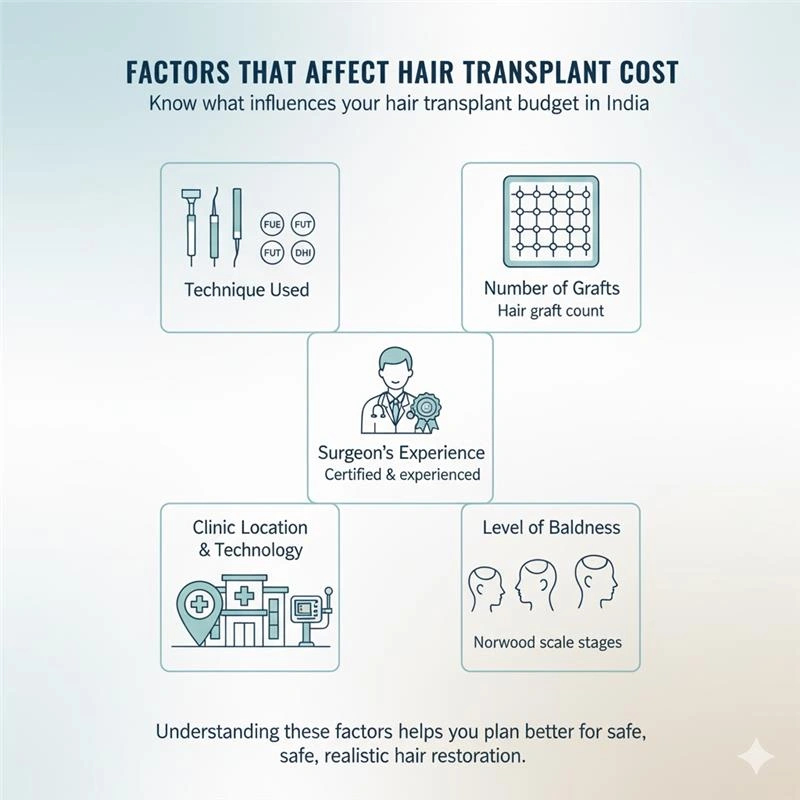
Factors That Affect Hair Transplant Cost
Several key elements influence the hair transplant price in India:
- Technique Used: Methods like FUE, FUT, DHI, or Sapphire FUE vary in precision and recovery time, affecting the overall cost.
- Number of Grafts: The more grafts required (based on baldness level), the higher the total price.
- Surgeon’s Experience: Highly qualified and experienced surgeons usually charge more but ensure safer and more natural results.
- Clinic Location & Technology: Clinics in metro cities or those using advanced tools may have higher pricing.
- Level of Baldness: Advanced stages of baldness require more grafts and longer sessions, increasing the cost.
Understanding these factors helps estimate a realistic budget for your hair transplant treatment.
Benefits of Hair Transplant
A hair transplant offers multiple advantages for anyone struggling with hair loss:
- Natural-Looking Results: Transplanted hair grows like your own, blending seamlessly with existing hair for a completely natural appearance.
- Permanent Solution: Unlike temporary treatments, hair transplants provide a long-lasting solution to baldness and thinning hair.
- Boosted Confidence & Appearance: Restoring a fuller head of hair can significantly enhance self-esteem and overall appearance.
- Low Maintenance: Once fully grown, transplanted hair requires minimal upkeep, just like natural hair, with no special products or treatments needed.
Is Hair Transplant Safe?
Hair transplants are generally safe and effective when performed by a certified dermatologist or experienced surgeon in a hygienic clinic. Modern techniques like FUE and FUT minimize risks and ensure a natural outcome.
Potential Side Effects:
- Mild swelling or redness around the scalp
- Itching or tenderness at the transplant site
- Temporary shedding of transplanted hair (part of the natural growth cycle)
- Rarely, minor infection or scarring
Safety Checklist:
- Choose a board-certified surgeon with proven experience
- Ensure the clinic follows strict hygiene protocols
- Confirm that modern techniques and proper anesthesia are used
- Follow all post-operative care instructions to prevent complications
By selecting a qualified clinic and following precautions, hair transplants are a safe and reliable solution for long-term hair restoration.
Choosing the Right Clinic in India
Choosing the right clinic is essential for a safe and effective hair transplant. Focus on:
- Experienced Surgeon: Board-certified with proven hair transplant expertise.
- Patient Reviews & Results: Check testimonials and before–after photos.
- Advanced Techniques: Clinics using FUE, DHI, or Sapphire FUE ensure better outcomes.
- Hygiene & Safety: Clean, well-equipped clinics reduce risk of complications.
Tip: Always get a consultation to estimate graft count, technique, and cost before proceeding.
Summary & Recommendations
Hair transplants provide a permanent and natural solution to hair loss, with results that improve gradually over 9–12 months.
The procedure involves relocating healthy hair follicles to bald or thinning areas, and the price in India varies depending on technique, graft count, surgeon expertise, and clinic location.
Before deciding, it’s important to consult an experienced dermatologist to understand the best technique, expected results, and personalized cost estimate.
Book a consultation today to know your exact graft requirement and treatment plan.
FAQs
The cost of 3,000 grafts in India typically ranges from ₹90,000 to ₹3,60,000, depending on the technique used, clinic, and surgeon’s experience. FUE and DHI methods tend to be on the higher side.
For 5,000 grafts, the price can range between ₹1,25,000 and ₹6,00,000. The final cost depends on the city, technique, and the clinic’s facilities.
Hair transplant is usually pain-free during the procedure because of local anesthesia. Some mild discomfort or soreness may occur during recovery, which can be managed with painkillers.
Hair transplants are generally safe when done by a qualified surgeon in a hygienic clinic. Risks like infection, scarring, or temporary shedding are rare and manageable.
Yes, but it’s recommended to sleep with your head elevated for the first few nights to reduce swelling and avoid disturbing the transplanted grafts.
FUE leaves minimal, tiny dot-like scars that are hardly visible, while FUT may leave a linear scar hidden under existing hair. Proper technique ensures natural-looking results.
People with insufficient donor hair, active scalp infections, uncontrolled medical conditions, or unrealistic expectations may not be suitable candidates. A thorough consultation is required.
Strenuous exercise should be avoided for at least 2–3 weeks post-procedure to prevent dislodging grafts or increasing swelling. Light activity is usually safe after a few days.