
How to Reverse Grey Hair – Natural & Effective Solutions
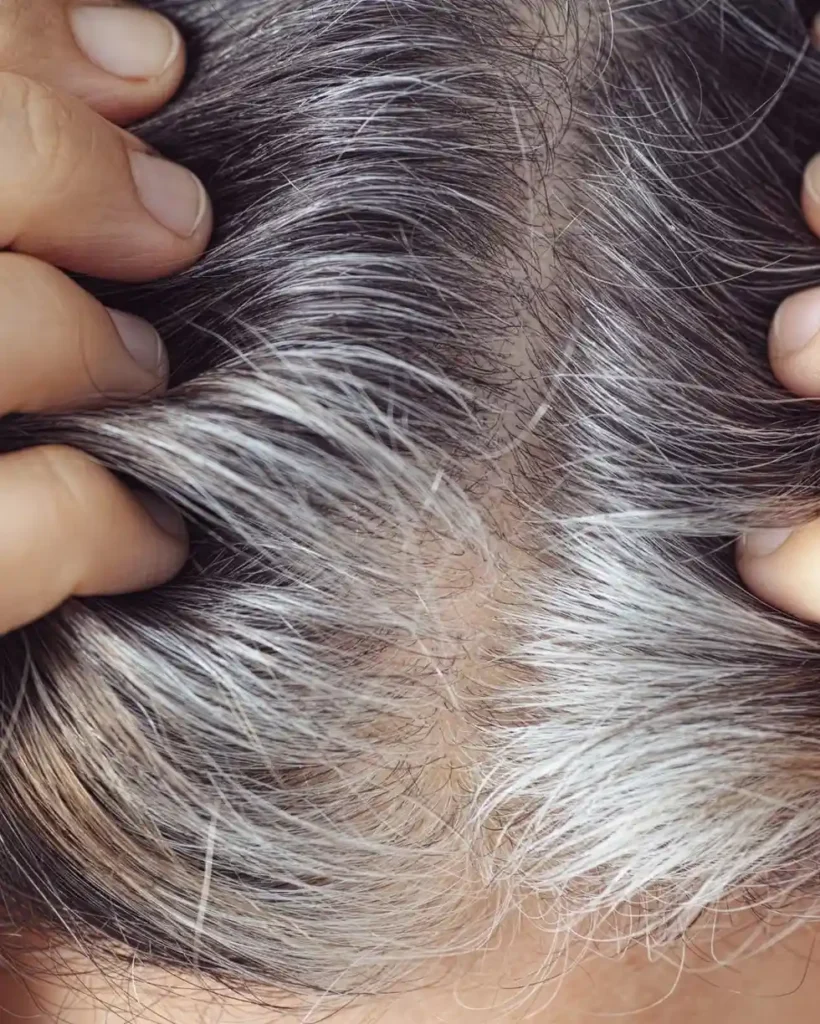
Today, people in their late 20s or even early 30s are spotting premature grey hairs and it’s no longer just a sign of aging.
Stressful lifestyles, poor diet, pollution, and even constant exposure to gadgets are making grey hair appear sooner than ever before.
Dermatologists explain that hair turns grey when melanin (the pigment responsible for your natural hair colour) production slows down or stops.
While genetics play a big role, studies show that deficiencies in Vitamin B12, iron, and copper, along with stress and smoking, can speed up the process.
In fact, research suggests that oxidative stress is one of the leading triggers for premature greying.
But here’s the big question: Can you really reverse grey hair? or is covering it with dye the only option?
In this blog, we’ll explore the science behind grey hair, natural remedies that people swear by, dermatologist-recommended treatments, and even the best products and dyes for managing those silver strands.
By the end, you’ll know exactly what works, what doesn’t, and how to choose the right solution for your hair.
If you are facing a skin concern, contact our treatment clinic near you |
|
| Pune | Baner |
| Karve Road | |
| Koregaon Park | |
| Hyderabad | Kukatpally |
| Banjara Hills | |
| Jaipur | Bapu Nagar |
| Goa | Porvorim |
| Mumbai | Andheri West |
If you are facing a skin concern, contact our treatment clinic near you
What Causes Grey Hair?
Grey hair is often seen as a natural sign of aging, but in reality, several factors can contribute to it even at a young age. Understanding the root causes is the first step toward finding the right solution.
Here are the main grey hair causes you should know about:
1. Melanin Loss & Aging
Hair gets its color from melanin, a natural pigment produced by specialized cells called melanocytes. As we age, these cells gradually slow down or stop producing melanin, causing hair to turn grey or white.
2. Genetics & Family History
If your parents or grandparents experienced early greying, chances are you might too. Genetics play a major role in determining when your hair starts losing its natural pigment.
3. Lifestyle Factors: Stress, Smoking & Diet
Chronic stress increases oxidative stress in the body, damaging hair follicles and accelerating greying. Smoking has also been linked to premature greying. On top of that, diets lacking in essential nutrients can weaken hair health, making greying appear earlier.
4. Nutrient Deficiencies
Deficiencies in vitamins and minerals especially Vitamin B12, iron, copper, and folic acid are directly linked with premature greying. A poor diet or medical conditions that affect absorption can trigger this.
5. Medical Conditions & Hormonal Imbalance
Certain health issues such as thyroid disorders, autoimmune diseases, or hormonal imbalances can disrupt melanin production and lead to early greying.
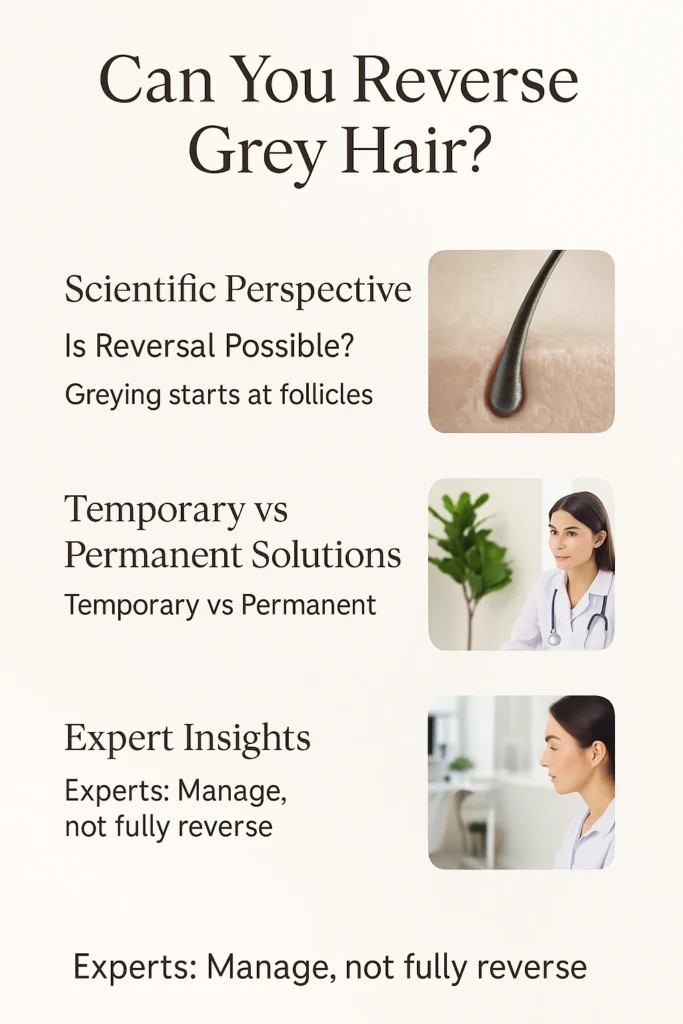
Can You Reverse Grey Hair?
One of the most common questions people ask is how to reverse grey hair but the answer isn’t as simple as a yes or no. Let’s look at what science and experts say.
1. Scientific Perspective – Is Reversal Possible?
Hair turns grey when melanocytes, the pigment-producing cells in your hair follicles, stop creating melanin. Once these cells are completely inactive, science says it’s almost impossible to restore natural hair color.
However, if the process is still in its early stages, improving nutrition, reducing oxidative stress, and adopting healthier habits may slow down or partially reverse greying.
2. Temporary vs Permanent Solutions
- Temporary solutions: Natural remedies, supplements, and lifestyle changes can sometimes restore pigment in early greying cases, but results vary from person to person. Hair dyes and toners provide instant coverage but don’t actually reverse greying.
- Permanent solutions: At present, there is no guaranteed permanent cure for grey hair. Research into stem cell therapy and melanocyte regeneration is ongoing, but these treatments are not yet widely available.
3. What Experts Say About Hair Pigment Restoration
Dermatologists agree that while complete reversal isn’t always possible, it’s important to address the root causes.
Correcting nutritional deficiencies, managing stress, and avoiding smoking may help in slowing down the process.
For many, combining healthy lifestyle changes with the right products or natural coloring methods offers the most practical way to manage grey hair.
How to Reverse Grey Hair Naturally
For those seeking non-chemical approaches, understanding how to reverse grey hair naturally involves addressing both internal and external factors that influence hair pigmentation.
While results may vary depending on genetics and the stage of greying, adopting these strategies can help slow or partially restore natural hair color.
1. Diet Changes
Nutrition plays a key role in maintaining hair pigment. Consuming foods rich in Vitamin B12, copper, iron, and antioxidants can support melanocyte function and hair health. Incorporate items such as leafy greens, nuts, seeds, eggs, fish, and berries into your diet for optimal results.
2. Stress Management & Mind-Body Practices
Chronic stress accelerates oxidative damage, contributing to premature greying. Practices such as yoga, meditation, and deep-breathing exercises can reduce stress levels and promote overall wellness, which may indirectly help in preserving natural hair color.
3. Natural Oils & Herbal Remedies
Certain herbs and oils have been traditionally used to maintain hair pigmentation:
- Amla (Indian gooseberry): Rich in antioxidants, supports hair health.
- Curry leaves: May help maintain natural color when used in hair oils.
- Black sesame seeds: Traditionally believed to prevent premature greying.
- Bhringraj oil: Used for hair nourishment and strengthening.
Applying these oils regularly or incorporating herbal remedies in your routine may help slow the greying process.
4. Lifestyle Habits That Delay Greying
Healthy lifestyle choices contribute significantly to hair health:
- Avoid smoking and excessive alcohol consumption.
- Ensure adequate sleep and regular exercise.
- Minimize exposure to harsh chemicals and excessive heat styling.
By integrating these natural approaches, you can take proactive steps toward slowing grey hair while supporting overall hair vitality.
Home Remedies for Grey Hair
Several home remedies for grey hair have been traditionally used to help maintain hair color, nourish follicles, and improve overall hair health.
While these methods may not permanently reverse greying, they can be effective in slowing the process and enhancing hair appearance.
1. DIY Natural Masks
Natural masks combining herbal ingredients can strengthen hair and support pigmentation:
- Henna and Amla mask: Henna provides natural color while amla nourishes hair follicles and adds shine.
- Coffee or tea rinses: Dark teas or coffee can temporarily darken grey strands and enhance hair luster.
2. Onion Juice Therapy
Onion juice is rich in sulfur, which can improve blood circulation to hair follicles. Regular application may promote hair strength and potentially slow premature greying.
3. Coconut Oil and Curry Leaves
A traditional remedy, coconut oil infused with curry leaves is often massaged into the scalp to nourish hair, prevent breakage, and support pigment retention.
4. Black Tea Rinse
Black tea contains natural pigments and antioxidants. Rinsing hair with brewed black tea can darken grey strands temporarily while improving scalp health.
Incorporating these home remedies into a consistent hair care routine can help maintain natural hair color, improve hair texture, and complement other natural or professional interventions.

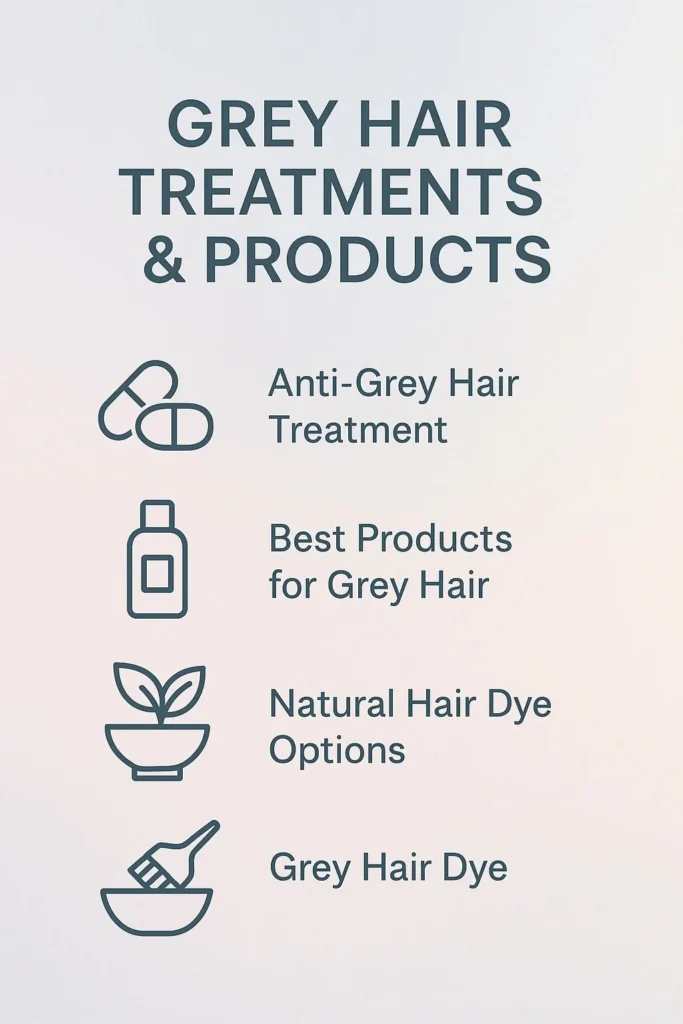
Grey Hair Treatments & Products
Managing grey hair effectively often involves a combination of treatments, products, and coloring options. While natural remedies and lifestyle changes help slow the process, certain specialized treatments and products can provide additional support.
1) Anti-Grey Hair Treatment
- Supplements: Catalase, biotin, and Vitamin B12 are commonly recommended to support hair health and potentially slow the greying process.
- Medical & Scientific Treatments: Advanced research explores therapies such as melanocyte regeneration and stem cell-based interventions, though these are not yet widely available.
2) Best Products for Grey Hair
- Serums & Supplements: Targeted formulations designed to slow pigmentation loss and nourish hair follicles.
- Oils for Grey Hair: Natural and enriched oils, like amla or bhringraj-based products, help maintain hair health and potentially preserve natural color.
- Shampoos for Grey Hair: Specialized shampoos cleanse while enhancing hair tone, protecting against yellowing, and improving overall hair texture.
3) Best Natural Hair Dye for Grey
- Options: Henna, indigo, and other herbal powders provide natural coloring without harsh chemicals.
- Pros & Cons: Natural dyes are gentle and nourishing but may offer limited shade options and require repeated application for lasting results.
4) Grey Hair Dye
- Chemical vs Natural Dyes: Chemical dyes provide a wide range of colors and longer-lasting results, while natural dyes are gentler on hair.
- Popular Shades & Trends for Women: Silver, ash grey, and soft balayage tones are trending, offering stylish ways to embrace or cover greys.
- Tips for Safe and Lasting Application: Always perform a patch test, follow manufacturer instructions, and maintain hair with nourishing oils or conditioners to prolong color and prevent damage.
Preventing Premature Greying
While some greying is inevitable, certain practices can help slow the process:
- Diet and Supplements: Ensure adequate intake of Vitamin B12, copper, iron, and antioxidants to support hair pigmentation.
- Avoid Harsh Chemicals & Heat Styling: Limit exposure to strong dyes, bleaches, and frequent heat treatments that can damage hair.
- Regular Scalp Care & Oiling: Massaging the scalp with nourishing oils improves circulation and strengthens hair follicles.
- Healthy Lifestyle Tips: Manage stress, get sufficient sleep, exercise regularly, and avoid smoking to promote overall hair health.
Final Thoughts on Managing Grey Hair
Greying hair is a natural process, but a balanced approach can make a significant difference. Natural remedies – including dietary improvements, herbal oils, and lifestyle changes can help slow or partially reduce greying, while dyes and specialized treatments offer effective coverage and maintenance.
Focusing on both internal health and external hair care is key to managing premature grey hair. Start with natural remedies and healthy habits, and consult a dermatologist if greying progresses rapidly or unexpectedly.
FAQs
Early-stage grey hair can sometimes be slowed or partially reversed with natural remedies, proper nutrition, stress management, and herbal treatments, but complete reversal is rarely guaranteed.
Vitamin B12 supplementation may help if a deficiency is causing premature greying, but visible results can take several months and may vary depending on individual hair growth cycles.
Once hair loses pigment completely, it usually cannot turn fully black naturally. However, improving hair health and correcting deficiencies may restore some color in early-stage greying.
Premature greying at 25 is becoming more common and can result from genetics, stress, lifestyle factors, or nutrient deficiencies, though it is not necessarily a cause for concern.
Plucking grey hairs is not recommended as it can damage hair follicles and potentially lead to thinning or infection; it does not prevent more grey hairs from appearing.
Supporting melanocyte health through nutrition, antioxidants, stress management, and certain herbal oils may slow pigment loss, but fully restoring melanin in grey hair is usually not possible.
Amla oil nourishes hair and may help slow premature greying, but it cannot fully reverse grey hair once pigment is lost.
Currently, there is no widely available permanent solution for grey hair. Stem cell research and melanocyte regeneration show promise, but practical long-term management relies on natural remedies, hair dyes, and lifestyle adjustments.