
How to Prevent Hair Fall in Winter Naturally
Hair fall tends to increase noticeably during the colder months, and dermatologists confirm that seasonal changes play a significant role in this. Understanding why hair fall in winter occurs is essential for taking the right preventive steps.
Cold air outside and dry, heated indoor environments strip moisture from both the scalp and hair shaft, leading to dehydration, breakage, and excessive shedding.
Reduced humidity, frequent use of hot water, and lack of scalp nourishment further weaken hair follicles, making hair more prone to fall.
According to dermatological studies, winter-induced hair shedding can rise by up to 20–30%, primarily due to decreased sebum production and increased scalp dryness. These factors disturb the natural hair growth cycle, resulting in temporary but noticeable thinning.
In this blog, we’ll explore the main causes of winter hair fall, natural ways to prevent it, how to build an effective winter hair care routine, the best shampoos for the season, and expert tips to control dandruff – helping you maintain healthy, resilient hair all winter long.
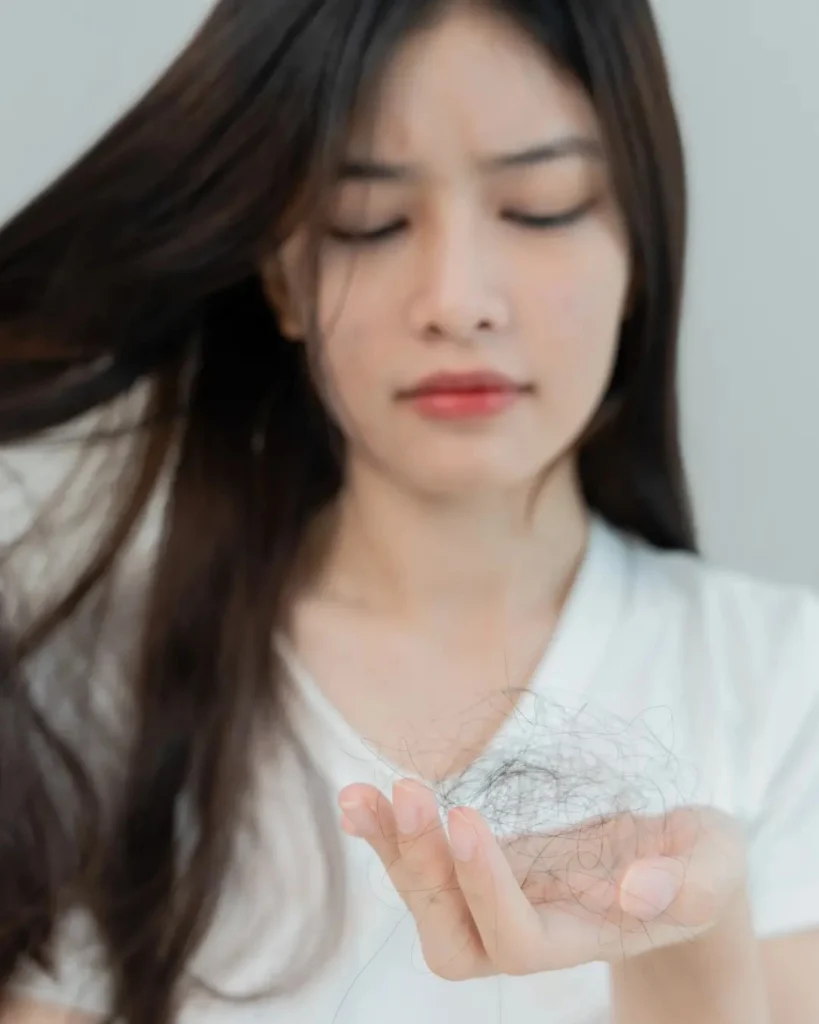
Understanding the Root Cause of Winter Hair Fall
Seasonal hair shedding during colder months is not just a coincidence – it’s the result of several physiological and environmental changes that affect scalp health and hair strength. To effectively manage winter hair loss, it’s important to understand the key winter hair fall causes.
1. Dry Scalp and Lack of Moisture
The cold winter air holds less humidity, while indoor heating systems further strip moisture from the scalp. This dryness weakens the hair follicles, leading to brittle strands and breakage. A dehydrated scalp also becomes more prone to flaking and irritation, which can trigger additional hair fall.
2. Indoor Heating and Hot Water Usage
Frequent exposure to warm air and long, hot showers can damage the scalp’s natural lipid barrier. Over time, this disrupts the balance of sebum production – an essential factor for keeping hair roots nourished – resulting in dull and fragile hair.
3. Nutritional Deficiencies and Poor Diet
Reduced intake of fresh fruits, vegetables, and hydration during winter can deprive the body of essential nutrients such as vitamin D, biotin, and iron, which are critical for healthy hair growth. These deficiencies can make the hair thinner and more prone to seasonal shedding.
4. The Dandruff Connection
A common concern during winter is dandruff, and many people wonder: does dandruff increase in winter?
The answer is yes, lower humidity and a dry scalp environment often lead to flaking and itching. Dandruff, in turn, can block hair follicles, cause inflammation, and weaken the roots, indirectly contributing to increased hair fall.
Understanding these root causes is the first step toward managing seasonal shedding effectively.

Natural Ways to Prevent Hair Fall in Winter
Understanding how to prevent hair fall in winter naturally begins with restoring the scalp’s moisture balance and protecting the hair from seasonal damage. Simple, consistent care using natural methods can significantly reduce shedding and improve hair strength during the colder months.
1. Regular Oiling with Natural Oils
Natural oils such as coconut, argan, and almond oil are rich in fatty acids and vitamins that deeply nourish the scalp. Regular oil massages improve blood circulation, strengthen hair follicles, and prevent dryness-induced breakage. Warm the oil slightly before applying to help it penetrate better into the scalp.
2. Use Lukewarm Water for Hair Wash
Hot water may feel comforting in winter but it strips away natural oils, leading to a dry scalp and weakened hair. Opt for lukewarm water instead – it cleanses effectively while retaining the scalp’s natural moisture barrier and minimizing hair shaft damage.
3. Avoid Excessive Heat Styling
Frequent use of blow dryers, straighteners, and curling tools can further dehydrate hair that’s already stressed by cold weather. Limit heat styling to special occasions and always apply a heat protectant spray before use to reduce thermal damage.
4. Eat a Nutrient-Rich Diet
Your diet plays a crucial role in maintaining hair strength. Include foods rich in protein, omega-3 fatty acids, iron, zinc, and vitamins A, C, D, and E. Seasonal fruits, leafy greens, nuts, and seeds support keratin production and prevent hair thinning from within.
5. Stay Hydrated
Hydration is often overlooked in winter when water intake naturally decreases. However, adequate hydration keeps your scalp healthy and prevents flakiness, reducing the risk of hair fall. Aim for at least 2–2.5 liters of water daily and include hydrating foods like cucumbers, oranges, and soups in your diet.
Best Hair Care Routine for Winter
Creating an effective hair care routine for winter is essential to protect your scalp from dryness, reduce breakage, and maintain strong, shiny hair despite harsh weather conditions. A consistent weekly regimen can help replenish lost moisture and prevent seasonal hair fall.
Step 1: Weekly Oiling Treatment
Start your routine with a nourishing oil massage once or twice a week. Use natural oils like coconut, almond, argan, or olive oil, which help lock in moisture and strengthen the hair shaft. Warm the oil slightly and massage it into your scalp for 5–10 minutes to boost blood circulation. Leave it on for a few hours or overnight for deeper nourishment.
Step 2: Use a Mild, Hydrating Shampoo
Opt for a sulfate-free, moisturizing shampoo that gently cleanses without stripping away natural oils. Avoid overwashing—two to three times a week is sufficient – to prevent excessive dryness. Look for ingredients like aloe vera, shea butter, or glycerin that help maintain hydration.
Step 3: Deep Conditioning After Every Wash
Conditioning is vital during winter to restore lost moisture and smooth the hair cuticle. Apply conditioner mainly on the mid-lengths and ends, and leave it for a few minutes before rinsing. For added nourishment, use a deep conditioning mask once a week to repair damage and enhance shine.
Step 4: Apply a Nourishing Hair Mask Weekly
Incorporate a DIY or natural hair mask rich in ingredients such as honey, banana, yogurt, or egg once a week. These masks replenish protein, add moisture, and improve elasticity—helping reduce breakage caused by dryness and static.
Step 5: Try Overnight Treatments for Extra Hydration
If your hair feels extremely dry or frizzy, use overnight leave-in treatments or lightweight oils. Cover your hair with a satin or silk scarf while sleeping to prevent friction and moisture loss.
Step 6: Choose Protective Hairstyles
Avoid tight ponytails and instead go for protective hairstyles like loose braids or buns. These styles reduce exposure to cold air and prevent tangling, which minimizes hair breakage.
Following this simple yet effective winter hair care routine can help you retain moisture, prevent seasonal shedding, and keep your hair soft and manageable throughout the season.
Choosing the Right Shampoo for Winter
Selecting the best shampoo for winter is essential to maintain scalp health and prevent dryness-induced hair fall. During colder months, the scalp tends to lose moisture, so opt for hydrating and sulfate-free shampoos that gently cleanse without stripping natural oils.
Look for formulas enriched with natural ingredients like aloe vera, argan oil, shea butter, or glycerin – these help retain hydration and soothe irritation.
If you experience dandruff or flakiness, choose a winter shampoo with mild anti-dandruff agents such as tea tree oil, salicylic acid, or zinc pyrithione to control flakes while keeping the scalp balanced.
A moisturizing, gentle shampoo used two to three times a week ensures clean, healthy, and well-nourished hair all winter long.
How to Control Dandruff in Winter
Understanding how to control dandruff in winter is key to managing both scalp health and hair fall. Dandruff commonly worsens in cold weather due to low humidity and excess dryness, which disrupts the scalp’s natural oil balance.
Natural Remedies to Reduce Dandruff
- Tea Tree Oil: Contains powerful antifungal properties that help reduce flakes and soothe irritation. Add a few drops to your regular shampoo or carrier oil before application.
- Aloe Vera Gel: Naturally hydrates the scalp, relieves itching, and prevents dryness-related flaking. Apply fresh aloe gel to the scalp for 20 minutes before rinsing.
- Apple Cider Vinegar: Helps restore the scalp’s pH balance and control fungal growth. Mix one part vinegar with two parts water and use it as a post-shampoo rinse once a week.
Treatment Options for Severe Winter Hair Fall
If natural remedies and home care aren’t enough, medical treatments can help restore hair strength and reduce seasonal shedding. Dermatologists may recommend options such as:
- PRP Therapy (Platelet-Rich Plasma): Stimulates dormant hair follicles and promotes natural growth using the patient’s own plasma.
- Mesotherapy: Involves microinjections of vitamins, peptides, and nutrients to nourish the scalp and strengthen hair roots.
- Low-Level Laser Therapy (LLLT): Uses laser light to improve scalp circulation and stimulate hair growth.
- Medicated Shampoos & Serums: Formulated with ingredients like biotin, caffeine, or minoxidil to reduce hair thinning.
These treatments are usually safe and customized after scalp analysis by a dermatologist. Combining professional care with natural maintenance ensures faster and long-lasting results.
Tips for Maintaining Scalp Hygiene and Moisture
- Avoid washing hair with very hot water – it worsens dryness.
- Keep your scalp clean but don’t overwash; 2–3 washes a week is ideal.
- Massage with nourishing oils regularly to retain hydration.
- Use a mild anti-dandruff shampoo and condition the ends after every wash.
By maintaining scalp moisture and using these gentle, natural remedies, you can effectively manage dandruff and prevent it from triggering excess hair fall during the winter season.
When to Seek Professional Help
If consistent home remedies and seasonal care routines fail to control hair fall or dandruff, it may indicate an underlying scalp or health condition.
Persistent itching, excessive shedding, visible bald patches, or inflammation are signs you should consult a dermatologist or trichologist.
A professional evaluation can help identify issues such as fungal infections, hormonal imbalances, or nutritional deficiencies, ensuring you receive targeted treatment and long-term scalp health support.
Your Winter Hair Care Checklist
Winter hair fall is a common concern, but with the right approach, it can be effectively managed. Maintaining scalp moisture through regular oiling, using mild hydrating shampoos, nourishing your hair with natural masks, and following a balanced diet are the most effective preventive steps.
Consistent care and the use of natural remedies not only reduce seasonal shedding but also improve long-term hair strength and shine. Remember, healthy hair requires attention throughout the year – not just during visible hair fall phases.
Start your winter hair care routine today for stronger, healthier hair that thrives even in the coldest months.
FAQs
Shedding 50–100 hairs per day is considered normal, and seasonal hair fall can temporarily increase by 20–30% due to dryness and reduced scalp hydration.
Hair fall often peaks in late winter to early spring (February–March) as the hair growth cycle adjusts to seasonal changes.
Cold, dry air and indoor heating dehydrate the scalp, weaken hair follicles, and increase breakage, which naturally results in more shedding during winter months.
Harsh shampoos with sulfates or strong chemicals can strip natural oils and irritate the scalp, leading to temporary hair fall, but mild, hydrating shampoos are safe.
Hair fall increases due to seasonal dryness, nutritional deficiencies, stress, hormonal changes, and scalp conditions that weaken the hair roots and shaft.
Not necessarily; infrequent washing can lead to oil buildup and dandruff, which may weaken follicles, but over-washing can also dry out the scalp. Balance is key.
Our clinics are located in following cities only, to visit our nearest clinic, contact us |
|
| Pune | Baner |
| Karve Road | |
| Koregaon Park | |
| Hyderabad | Kukatpally |
| Banjara Hills | |
| Jaipur | Bapu Nagar |
| Goa | Porvorim |
| Mumbai | Andheri West |