
HydraFacial vs Chemical Peel: Which Skin Treatment Is Right for You?
In today’s world of advanced skincare, finding the right treatment can feel overwhelming with so many options available.
Two popular treatments can help transform your skin: HydraFacial and chemical peel. Both have gained massive popularity in recent years and are offered by dermatologists and skin clinics across India.
These treatments work to make your skin look fresh and healthy, but they work in different ways and suit different needs.
HydraFacial gently cleanses and hydrates your skin with no downtime. It is like a spa treatment that delivers instant results. Chemical peels, on the other hand, use acid solutions to remove damaged skin layers and reveal new skin underneath. They work deeper to fix stubborn skin problems that simple facials cannot address.
Most people see better skin texture after these treatments. Both options have proven benefits backed by dermatologists worldwide.
However, choosing between them depends on your specific skin type, concerns, and lifestyle. Making the wrong choice can waste your time and money, or worse, harm your skin.
So which one is right for you? Should you go for the quick and gentle HydraFacial or invest in the more intensive chemical peel? This complete guide will help you understand both options in detail.
You will learn how each treatment works, what results to expect, possible side effects, and most importantly, which one matches your skin needs. By the end, you will have all the information you need to make the best choice for your skin and achieve the glowing complexion you desire.
If you are facing a skin concern, contact our treatment clinic near you |
|
| Pune | Baner |
| Karve Road | |
| Koregaon Park | |
| Hyderabad | Kukatpally |
| Banjara Hills | |
| Jaipur | Bapu Nagar |
| Goa | Porvorim |
| Mumbai | Andheri West |
If you are facing a skin concern, contact our treatment clinic near you
What Is a HydraFacial Treatment?
HydraFacial treatment is a non-invasive procedure that works in multiple steps to improve your skin. Think of it as a deep cleaning session for your face. The treatment uses a special device that cleanses, removes dead skin, extracts dirt from pores, and adds moisture all at once.
Step-by-Step HydraFacial Procedure
The treatment follows these simple steps:
- Cleansing: The device removes dirt and oil from your skin surface
- Exfoliation: Dead skin cells are gently removed
- Extraction: A vacuum system pulls out blackheads and impurities from pores
- Hydration: Nourishing serums with vitamins are applied to your skin
The entire process takes about 30 to 45 minutes.
Key HydraFacial Benefits
- Gives instant glow and radiance to dull skin
- Deeply hydrates dry and tired skin
- Reduces appearance of fine lines
- Clears clogged pores and blackheads
- Suits all skin types, including sensitive skin
- No downtime needed after treatment
Common HydraFacial Effects
Most people see immediate results after just one session. Your skin looks brighter, feels smoother, and appears more hydrated. The treatment is painless and relaxing, making it a comfortable experience for everyone.
HydraFacial Results and Expectations
1. Immediate and Short-Term HydraFacial Results
Right after the treatment, you will notice your skin looks fresh and glowing. This instant result makes HydraFacial perfect before special events or parties. However, these results are temporary.
2. Who Gets the Best Results
HydraFacial works best for people with mild skin concerns like dryness, dullness, and clogged pores. It is also great for those who want quick results without any recovery time.
3. How Long Results Typically Last
Results usually last about one week. For longer-lasting benefits, you should get the treatment every 4 to 6 weeks. Regular sessions help maintain healthy, glowing skin.


HydraFacial Side Effects
1. Common and Mild HydraFacial Side Effects
HydraFacial is very safe with minimal side effects. Some people may experience slight redness that goes away within a few hours. This is normal and not a cause for worry.
2. Who Should Be Cautious
People with active rashes, sunburn, or certain skin conditions should talk to their doctor before getting a HydraFacial. Pregnant women should also consult their doctor first.
3. Post-Treatment Care Basics
After the treatment, protect your skin from sun exposure. Use sunscreen daily and avoid harsh skincare products for 24 hours. Keep your skin moisturized to maintain the results.
What Is a Chemical Peel?
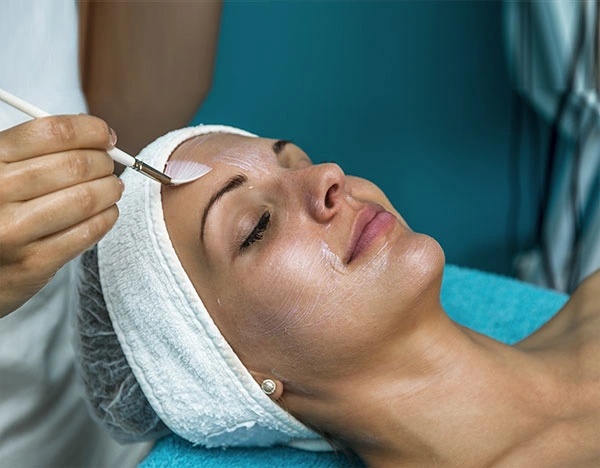
Chemical peel treatment uses acid solutions to remove the outer damaged layers of skin. As the old skin peels off, fresh and healthier skin appears underneath. This process helps fix deeper skin problems.
How Chemical Peels Work on Skin Layers
The acid solution is applied to your skin where it creates controlled damage to the surface. Over the next few days, this damaged layer peels off naturally. New skin cells then grow, giving you smoother and clearer skin.
Types of Concerns Addressed
Chemical peels effectively provide acne scars treatment, reduce dark spots, sun damage, wrinkles, and uneven skin tone. They work deeper than HydraFacial to address more serious skin issues.
Chemical Peel Benefits
Key Chemical Peel Benefits
- Reduces acne scars and blemishes significantly
- Lightens dark spots and pigmentation
- Smooths fine lines and wrinkles
- Improves overall skin texture
- Treats sun damage and tanning
- Stimulates collagen production for firmer skin
Skin Concerns Best Treated with Chemical Peels
Chemical peels work well for pigmentation treatment, addressing melasma, moderate acne scars, and early signs of aging. They provide visible improvements that last longer than HydraFacial.
Depth of Treatment and Intensity
Chemical peels come in three types:
- Superficial peels: Mild treatment for minor issues, little to no downtime
- Medium peels: Treats pigmentation and acne scars, requires a few days of recovery
- Deep peels: Addresses severe wrinkles and scars, needs longer healing time
Chemical Peel Results and Expectation
1. Expected Chemical Peel Results
Results depend on the peel type. Light peels give a subtle glow after one session. Medium and deep peels show dramatic improvements for melasma treatment, skin tone and texture over time.
2. Recovery Time and Peeling Phase
With superficial peels, your skin may look slightly red for 1 to 2 days. Medium peels cause visible peeling for 3 to 7 days. Deep peels require several weeks for complete healing.
3. When Results Become Visible
You will see improvements once the peeling process finishes. For light peels, results appear within a week. Medium and deep peels show full results after 2 to 4 weeks.

Chemical Peel Side Effects
1. Common Chemical Peel Side Effects
After a chemical peel, you may experience redness, dryness, and skin peeling. These effects are normal and part of the healing process. Most side effects go away on their own.
2. Risks Based on Peel Strength
Stronger peels carry more risks. Deep peels can cause darkening or lightening of skin color, especially in people with darker skin tones. Infection and scarring are rare but possible if proper care is not followed.
3. Who Should Avoid Chemical Peels
People with active cold sores, eczema, or very sensitive skin should avoid chemical peels. Those with darker skin must choose milder peels to prevent pigmentation problems. Always consult a qualified dermatologist before treatment.
| Factor | HydraFacial | Chemical Peel |
|---|---|---|
|
Treatment Process
|
Gentle vacuum-based cleansing and hydration
|
Acid solution applied to remove skin layers
|
|
Downtime |
None, resume activities immediately
|
1 to 14 days depending on peel type
|
|
Results
|
Instant glow, temporary
|
Long-lasting improvements, visible after peeling
|
|
Best For
|
Mild concerns, hydration, quick refresh
|
Acne scars, pigmentation, aging signs
|
|
Pain Level
|
Painless and relaxing
|
Mild tingling to stinging sensation
|
|
Skin Types
|
All skin types, including sensitive
|
Needs careful selection for darker skin
|
|
Frequency
|
Every 4 to 6 weeks
|
Light peels monthly, deep peels yearly
|
HydraFacial vs Chemical Peel: Which Should You Choose?
1. Best Option for Sensitive Skin
HydraFacial is the better choice for sensitive skin. It is gentle, hydrating, and does not cause irritation. Chemical peels, especially stronger ones, can be too harsh for delicate skin.
2. Best Option for Acne, Pigmentation, Aging
For stubborn acne scars, dark spots, and visible signs of aging, chemical peels deliver better results. They work deeper to treat these concerns effectively. Medium-depth peels with glycolic or salicylic acid show significant improvement in these issues.
3. How Dermatologists Decide Between the Two
Dermatologists look at your skin type, concerns, and lifestyle before recommending treatment. If you need instant results with no downtime, they suggest HydraFacial. If you have deeper skin problems and can handle recovery time, they recommend chemical peels.
Many skin experts also suggest combining both treatments. Start with a few chemical peel sessions to address major concerns, then maintain results with monthly HydraFacials for ongoing glow and hydration.
Choosing Between HydraFacial and Chemical Peel
Both HydraFacial and chemical peel offer excellent benefits for your skin. HydraFacial provides quick, gentle results perfect for busy people who want instant glow without downtime. Chemical peel benefits include powerful, long-lasting improvements for serious skin concerns like scars and pigmentation.
The right choice depends on your skin needs and goals. Always consult a qualified dermatologist who can examine your skin and suggest the best treatment plan for you. With proper care and regular sessions, either treatment can help you achieve healthy, radiant skin you will love.
Need Help Choosing Between HydraFacial and Chemical Peel?
Selecting between a HydraFacial and a chemical peel depends on your skin type, concerns, and goals. At Reborn Skin & Hair Clinics, our experienced skin specialists perform detailed skin assessments to recommend the most effective treatment for you.
Whether you’re looking for instant glow, long-term skin correction, or a customized skincare plan, we ensure safe, advanced, and result-driven solutions tailored to your needs.
Visit Us at Our Convenient Locations
Pune: Baner Clinic | Karve Road Clinic | Koregaon Park Clinic
Hyderabad: Kukatpally Clinic | Banjara Hills Clinic
Mumbai: Andheri Clinic
Jaipur: Bapu Nagar Clinic
Goa: North Goa Clinic
FAQs
It depends on your skin concern. HydraFacial is ideal for hydration, glow, and gentle exfoliation, while chemical peels work better for pigmentation, acne scars, and deeper skin issues.
Yes, a HydraFacial can be done after a chemical peel, but only after the skin has fully healed. It helps restore hydration and calm the skin, usually recommended 2–4 weeks post-peel.
HydraFacial can be safe during pregnancy if pregnancy-safe serums are used and boosters with salicylic acid or retinoids are avoided. Always inform your dermatologist before the treatment.
HydraFacial results are temporary and require regular sessions for maintenance. It may not effectively treat deep pigmentation, acne scars, or severe skin conditions.
Choose a facial like HydraFacial for instant glow and minimal downtime. Opt for a chemical peel if you want long-term improvement in acne, pigmentation, or uneven skin texture.
Depends on your goals - chemical peels, laser treatments, or medical facials may deliver stronger results for specific concerns. A dermatologist can recommend the most effective option for your skin type.