Has your hairline moved back year after year until caps became part of your daily routine? Is the crown showing through in every photo taken from behind? For a lot of people in Bangalore, hair loss starts early. Genetics do most of the work, and the city adds the rest. Hard water dries and weakens the strands, dust and traffic pollution clog the scalp, and long tech-industry hours bring stress, poor sleep, and skipped meals. Serums, oils, and medicines can hold on to the hair you still have. But once a follicle has closed and the scalp is smooth and shiny in that area, nothing will grow there again on its own. A hair transplant is the one option that puts living hair back where it has been lost. At Reborn Skin and Hair Clinic, Bangalore, we do hair transplant surgery for men and women across the city. Patients come to us from Indiranagar, Koramangala, Whitefield, HSR Layout, Jayanagar, JP Nagar, Marathahalli, Malleshwaram, Electronic City, Bannerghatta Road, Hebbal, and Yelahanka. The procedure moves your own hair follicles from the back and sides of your scalp, where hair is naturally resistant to thinning, into the bald or thinning areas. It is done under local anaesthesia, over a single day for most people, and you go home the same evening. The hair that grows afterwards is real, your own, and it can be cut, coloured, and styled normally.
We have treated several patients coming for this treatment from nearby localities like Aundh, Pashan, Hinjewadi, Ravet, Balewadi, Wakad, Pimple Saudagar, Pimple Nilakh, PCMC, Park Street, Sus and Mahalunge in Pune.
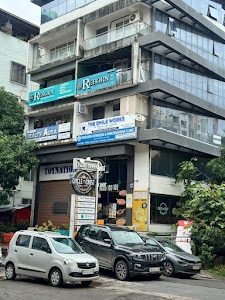
2ND FLOOR, TULIP TOWER, above TOYNATION, Madhavbaug Society, Balewadi Phata, Baner, Pune, Maharashtra 411069
We have provided treatment to a number of patients who came from Pune station and surrounding areas, including Wagholi, Kharadi, Wadgaon Sheri, Viman Nagar, Camp, Amanora Park, Magarpatta, Kalyani Nagar, Hadapsar, NIBM Road, Fatima Nagar, Salunkhe Vihar, Wanwadi and Mundhwa, in Pune.
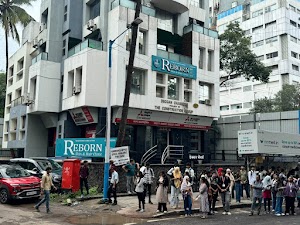
1ST FLOOR, Gera legend, UNIT NO 107, N Main Rd, above KRISHNA MEDICARE, Ragvilas Society, Koregaon Park, Pune, Maharashtra 411001
We have treated various patients who came for this treatment from adjacent areas, such as Swargate, Deccan Gymkhana, Karve Nagar, Kothrud, Model Colony, Prabhat Road, Bhandarkar Road, Nanded City, Warje, and Katraj in Pune.
CTS No 33, Deccan Chamber, A2 2nd Floor, Nr Sahaydri Hospital, 20, Karve Rd, nr. Garware Metro station, above Mitsubishi cooling Planet, Deccan Gymkhana, Pune, Maharashtra 411004


Treatment |
Cost per session |
|---|---|
| Hair Transplant in Bangalore (starting) | Starts at ₹30,000 |
Prices mentioned are indicative and may vary based on individual condition and treatment plan. Final pricing confirmed after consultation. EMI available.
What Affects the Cost?
Pricing is usually worked out per graft, so the final figure depends on the graft count agreed at your consultation. A single-day session covering up to around 2,500 grafts starts at ₹30,000, while larger two-day procedures cost more.
Easy EMI Options Available – Zero-interest EMI plans available on select packages.
No Hidden Charges, Ever – All prices include consultation, sessions, and post-care guidance.
When considering the hair transplant cost near me, we offer transparent, customized pricing with no hidden charges.
We’re bringing advanced skin, hair & aesthetic treatments closer to you.
Reborn Skin & Hair Clinic is arriving soon in Bangalore.
Stay tuned for our grand opening and experience expert care with personalized treatments.
Opening Soon • Bangalore
A doctor examines your scalp under magnification, checks the pattern and stage of your hair loss, and studies the donor area at the back and sides. Donor quality decides what is possible, so this assessment matters more than anything else. You will be asked about family history, how fast the loss is moving, medicines, illnesses, and stress. Blood tests are advised. The doctor then draws the proposed hairline on your forehead and you review it together in a mirror. The graft count and cost are agreed at this stage.
Your medical history, allergies, and medicines are recorded. Blood tests are reviewed. On the day of surgery, the donor area is trimmed and both the donor and recipient areas are cleaned. The hairline is marked again and photographed. Local anaesthetic is given, and once the area is numb you feel pressure but not pain.
Grafts are removed one by one from the donor area using the FUE method, with a very small punch. There is no strip taken and no long linear scar. Each graft is checked under magnification and sorted by the number of hairs it contains. Fine slits are then made in the bald area at the correct angle and direction, and the grafts are placed one at a time. Single-hair grafts go at the front edge, and grafts with two or three hairs go behind them to build density.
About 4 to 8 hours depending on graft count. Very large cases are done across two days.
The transplanted hairs shed at about 2 to 4 weeks. This is normal and expected, and the follicles remain in place. New growth begins from around month 3 to 4. Density builds through months 6 to 9, and the full result is seen at about 12 months, sometimes a little longer for the crown.
We do not use synthetic or artificial hair implants. Those fibres are not living hair, the body treats them as foreign, and they carry a high rate of infection, rejection, and long-term scalp damage. Only your own follicles are used here.
Most men in Bangalore come in with male pattern baldness. It usually starts at the temples and the crown, and follows a predictable pattern over the years. Many notice it in their late twenties and try oils, serums, and shampoos for a decade before considering surgery. Helmets, hard water, dandruff, and stress speed up the shedding, though the underlying cause is genetic and hormonal. A transplant fills the bald area, but it does not stop the loss continuing in the untreated areas around it.
Hair at the back and sides of the scalp is naturally resistant to the hormone that causes pattern baldness. When those follicles are moved to the top, they keep that resistance and continue growing in their new position. The surgeon plans the hairline to suit your age and face, and places grafts at a low angle so the hair lies down naturally rather than standing up.
Most men see growth from month 3 to 4, good density by month 6 to 9, and the settled result at 12 months. The hairline and mid-scalp usually fill in better than the crown, which needs more grafts for the same visual effect. Because pattern loss continues, your doctor will usually prescribe medical treatment alongside. Skipping that is the main reason people end up with a transplanted front and a thinning area behind it a few years later.
Beard and Moustache: Grafts can also be placed into patchy beard areas, along the jawline, and over scars, using the same technique.
Women in Bangalore usually have a different pattern. Instead of a receding hairline, the parting widens and the whole top thins gradually. Causes include female pattern loss, PCOS, thyroid problems, low iron and vitamin D, postpartum changes, and traction from tight hairstyles. This makes candidate selection more careful in women. If the donor area at the back is also thinning, moving hair from there simply spreads the problem. A proper assessment is essential before agreeing to surgery.
The doctor first identifies and treats the underlying cause, then checks whether the donor area is strong and stable. If it is, grafts are taken and placed to narrow the parting, fill the frontal zone, or lower a high hairline. Women often do not need the head shaved, as grafts can be taken from a small hidden strip at the back that the surrounding hair covers.
Most women see growth from month 3 to 4 and a fuller parting by month 6 to 9. Traction loss along the hairline from tight ponytails and braids responds well, provided the pulling stops. Diffuse thinning across the whole scalp is often better treated medically first, and your doctor will say so rather than proceeding. Postpartum shedding usually recovers on its own and does not need surgery.
Important: Hair transplant is not done during pregnancy or breastfeeding.
Critical Safety Note : Tell your doctor if you have diabetes, high blood pressure, a bleeding disorder, a heart condition, or take blood thinners, and about any allergy to local anaesthetic or antibiotics. Declare any history of keloids or thick raised scars, alopecia areata, or autoimmune disease. Also mention any previous transplant, including one done elsewhere or abroad. Hair transplant is surgery. It should be done by a qualified doctor in a sterile clinical setup, with the doctor personally performing the key steps, not delegated entirely to technicians.
The most requested area. Designed with single hairs at the front edge so it looks natural rather than a straight line.
Rebuilds the receded corners that make the forehead look larger.
The area behind the hairline, which responds well and gives a strong visual improvement.
Needs more grafts for the same visible effect because of the swirl pattern. Often planned in stages.
Common in women. Grafts are placed along the parting to close the gap.
For patchy growth, gaps, and thin areas along the jaw and cheeks.
Fine single hairs placed at a low angle to rebuild thin or over-plucked brows.
Hair can be placed into scars from accidents, burns, or previous surgery, though growth in scar tissue is less predictable.
Who Is Not a Candidate Right Now: anyone with active, rapidly progressing hair loss that has not been treated, active alopecia areata, an insufficient donor area, an untreated thyroid or nutritional problem, or an uncontrolled medical condition. A good clinic will tell you to wait. Operating too early gives a result that looks patchy within a few years.
Searching for a dermatologist near you in Bangalore? Our team of qualified skin doctors, dermatologists and hair specialists personalizes every treatment based on your skin type and concern. Consult our dermatologist in Bangalore and skin specialists at our nearest skin and hair clinic
MBBS, DVD
Dermatologist & Venerologist
MBBS, MD
Dermatologist
MDS(Maxillofacial surgeon)
Aesthetic Physician
MDS, Maxillofacial &
Hair Transplant Surgeon
MBBS, DDV, FAM
Dermatologist
Searching for a dermatologist near you in Mumbai? Our team of qualified skin doctors, dermatologists and hair specialists personalizes every treatment based on your skin type and concern. Consult our dermatologist in Mumbai and skin specialists at our nearest skin and hair clinic
MBBS, DVD
Dermatologist & Venerologist
MBBS, MD
Dermatologist
MDS(Maxillofacial surgeon)
Aesthetic Physician
MDS, Maxillofacial &
Hair Transplant Surgeon
MBBS, DDV, FAM
Dermatologist
A hair transplant moves your own follicles from the back and sides of the scalp, where hair naturally resists thinning, into the bald or thinning areas. Those follicles keep that resistance in their new position and grow normally. It is done under local anaesthesia over a single day for most people, using the FUE method so there is no strip and no linear scar.
It depends on the size of the bald area, the density you want, and how strong your donor area is. A small hairline correction may need 800 to 1,500 grafts, while a full crown and mid-scalp needs considerably more. Your doctor will confirm the count after examining your scalp under magnification.
The procedure is done under local anaesthesia, so you feel pressure but not pain once the area is numb. The anaesthetic injections sting briefly. Most people watch something or rest through the 4 to 8 hours. Mild soreness for a couple of days afterwards is normal.
The transplanted hairs shed at 2 to 4 weeks. This is normal and does not mean failure. New growth begins from month 3 to 4, density builds through months 6 to 9, and the settled result appears at about 12 months, sometimes longer for the crown.
No. A transplant fills the bald area but does not stop pattern loss continuing in the untreated areas around it. That is why medical treatment is usually prescribed alongside. Skipping it is the main reason some people end up with a transplanted front and visible thinning behind it a few years later.
The FUE method takes grafts one by one with a very small punch, so there is no strip and no long linear scar. Tiny dot marks in the donor area are hidden by surrounding hair. Tell your doctor if you form keloids, as that changes the plan.
Yes, but candidate selection is more careful. Women usually have diffuse thinning rather than bald patches, and if the donor area at the back is also thinning, moving hair from there simply spreads the problem. Traction loss along the hairline responds well. Diffuse thinning is often better treated medically first.
No. We use only your own follicles. Synthetic fibres are not living hair, the body treats them as foreign, and they carry a high rate of infection, rejection, and long-term scalp damage. Any clinic offering them is not acting in your interest.
Plan for 3 to 5 days. Expect forehead swelling on day 2 or 3, redness and tiny scabs for about 10 days, and no gym, swimming, or helmet until cleared. Most people are presentable within a week to ten days.
Book a free consultation at Reborn Skin and Hair Clinic, Bangalore. A doctor will examine your scalp and donor area, draw a proposed hairline for you to approve, give an honest graft count and 12-month timeline, and share a written cost. We see patients from across Bangalore.
Achieve natural-looking, permanent hair restoration with experienced hair transplant surgeons. Book your free consultation with transparent pricing.
Advanced Skin, hair & Asthetic Treatments Now Closer to You!
Trusted in Pune, Mumbai, Hyderabad, Goa & Jaipur.
Coming Soon to BANGALORE.
Stay Tuned for Our Grand Launch!
EXPERT CARE AWAITS
We’re getting ready to welcome you.
Advanced Skin, hair & Asthetic Treatments Now Closer to You!
Stay Tuned for Our Grand Launch!
EXPERT CARE AWAITS
We’re getting ready to welcome you.