Do you have small round marks on your face or forehead left behind by chickenpox, sometimes from many years ago? Are they dark patches that catch the light, or small dents you can feel with your fingertip? Chickenpox leaves two completely different kinds of mark, and they need completely different treatment. Knowing which you have is the single most useful thing on this page, because one of them fades with simple care and the other never will without resurfacing. At Reborn Skin and Hair Clinic, Bangalore, we treat chickenpox marks and scars for adults, teenagers, and children across the city. Patients come to us from Indiranagar, Koramangala, Whitefield, HSR Layout, Jayanagar, JP Nagar, Marathahalli, Malleshwaram, Electronic City, Bannerghatta Road, Hebbal, and Yelahanka. Chickenpox scars have one useful feature compared with acne scarring: there are usually far fewer of them, and they are often well defined, which means they can be treated individually with very targeted methods.
We have treated several patients coming for this treatment from nearby localities like Aundh, Pashan, Hinjewadi, Ravet, Balewadi, Wakad, Pimple Saudagar, Pimple Nilakh, PCMC, Park Street, Sus and Mahalunge in Pune.
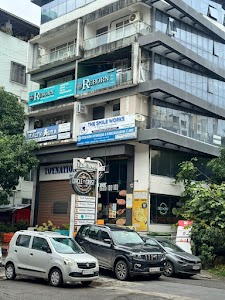
2ND FLOOR, TULIP TOWER, above TOYNATION, Madhavbaug Society, Balewadi Phata, Baner, Pune, Maharashtra 411069
We have provided treatment to a number of patients who came from Pune station and surrounding areas, including Wagholi, Kharadi, Wadgaon Sheri, Viman Nagar, Camp, Amanora Park, Magarpatta, Kalyani Nagar, Hadapsar, NIBM Road, Fatima Nagar, Salunkhe Vihar, Wanwadi and Mundhwa, in Pune.
1ST FLOOR, Gera legend, UNIT NO 107, N Main Rd, above KRISHNA MEDICARE, Ragvilas Society, Koregaon Park, Pune, Maharashtra 411001
We have treated various patients who came for this treatment from adjacent areas, such as Swargate, Deccan Gymkhana, Karve Nagar, Kothrud, Model Colony, Prabhat Road, Bhandarkar Road, Nanded City, Warje, and Katraj in Pune.
CTS No 33, Deccan Chamber, A2 2nd Floor, Nr Sahaydri Hospital, 20, Karve Rd, nr. Garware Metro station, above Mitsubishi cooling Planet, Deccan Gymkhana, Pune, Maharashtra 411004


Treatment |
Cost per session |
|---|---|
| Chickenpox Scars Treatment in Bangalore (starting) | Starts at ₹5,000 |
Prices mentioned are indicative and may vary based on individual condition and treatment plan. Final pricing confirmed after consultation. EMI available.
What Affects the Cost?
Easy EMI Options Available – Zero-interest EMI plans available on select packages.
No Hidden Charges, Ever – All prices include consultation, sessions, and post-care guidance.
When considering the chickenpox scars treatment cost near me, we offer transparent, customized pricing with no hidden charges.
Run a fingertip lightly over the mark with your eyes closed. What you feel tells you which you have.
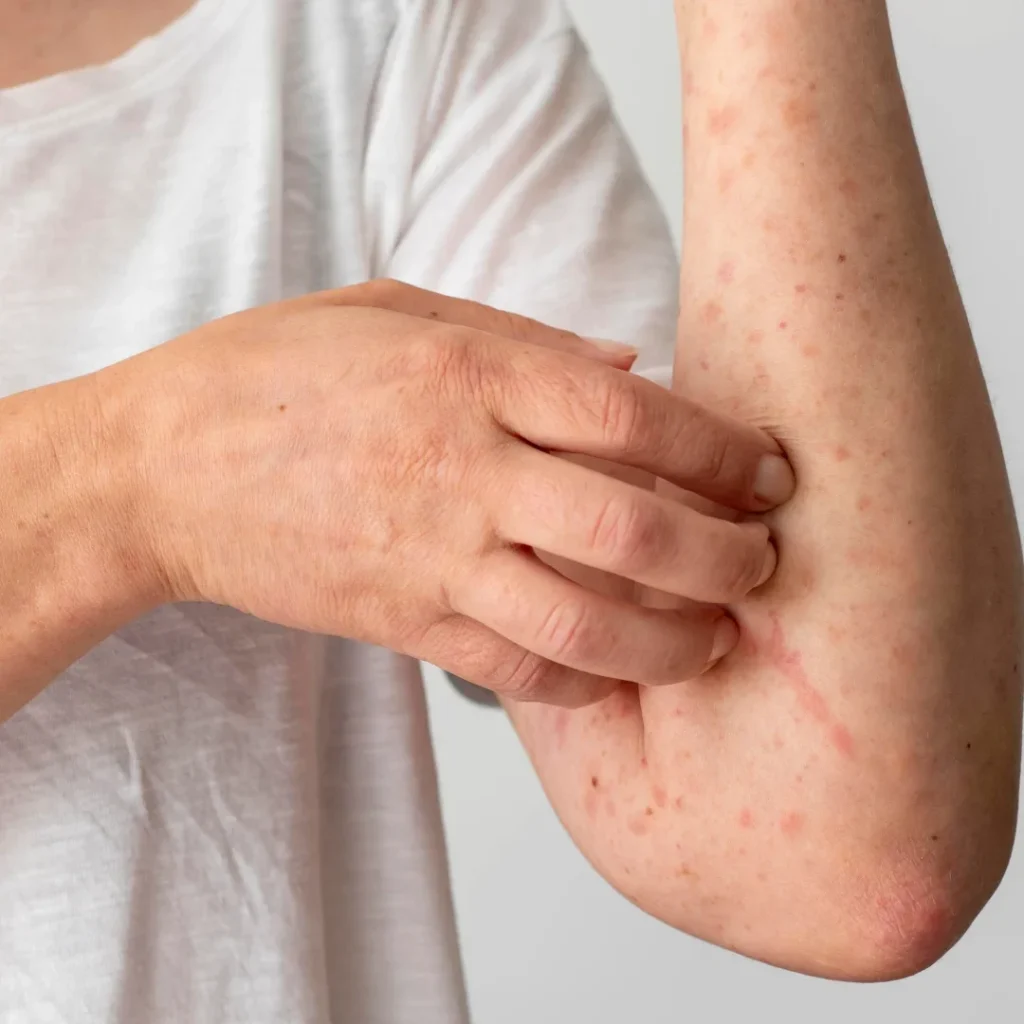
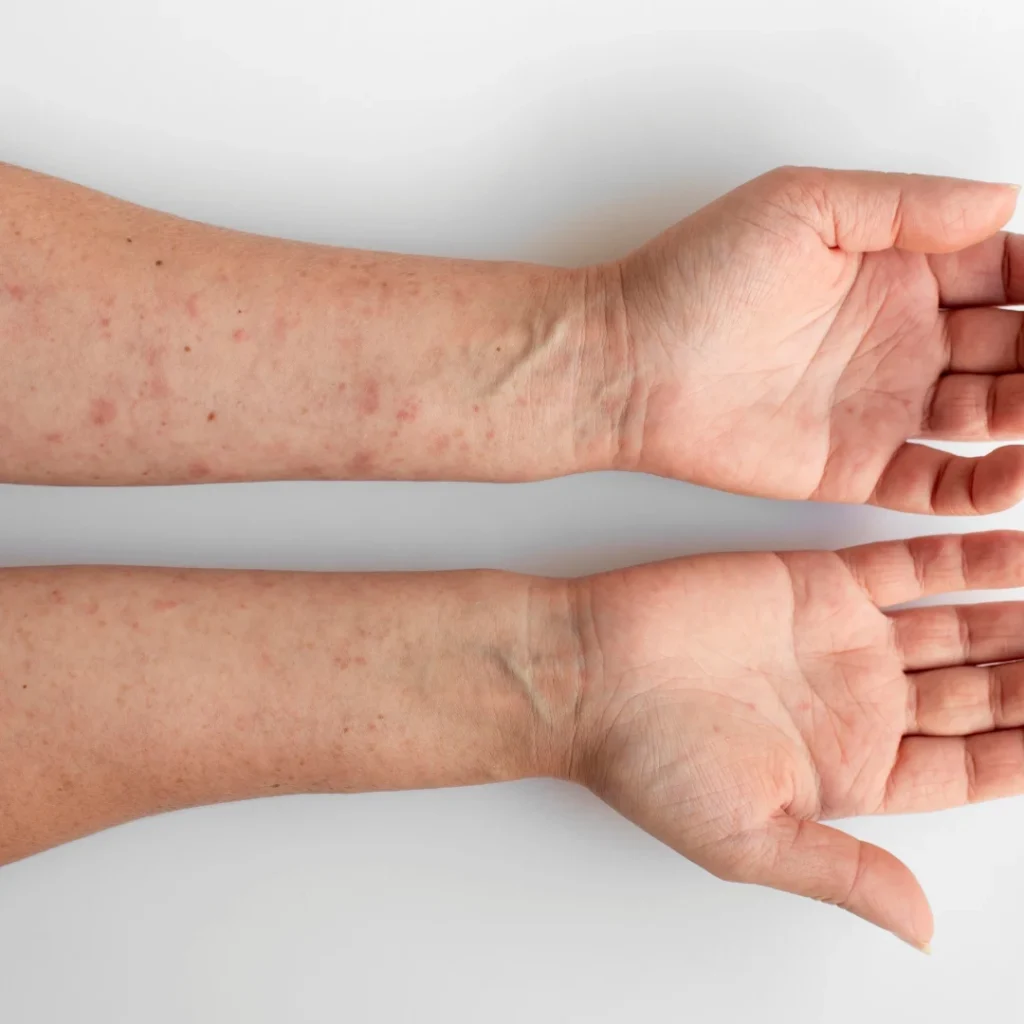
Dark marks that you cannot feel. These are flat. The skin surface is smooth, and only the colour has changed, usually brown, grey-brown, or almost black on deeper skin tones. This is post-inflammatory hyperpigmentation, which is your skin having produced extra pigment in response to the inflammation of the chickenpox blister.
The good news about dark marks. They fade on their own. It takes time, often 6 to 12 months and sometimes longer on darker skin, but they do go. Treatment speeds that up considerably and is straightforward and inexpensive. Daily sunscreen alone makes a substantial difference, because sun exposure keeps re-darkening them.
Scars that you can feel. These are indented. Your fingertip drops into a small dent, usually round or oval, sometimes with a slightly raised rim, most often on the forehead, cheeks, and around the nose. Skin tissue was lost when the blister became inflamed or infected, and the body did not fully rebuild it.
The honest news about scars. These do not fade. A dent is a physical loss of tissue and no cream, soap, oil, or tablet fills it in. Improving an indented scar means either resurfacing the skin around it, releasing it from below, or physically removing and repairing it.
Most people have both. A dark mark sitting on top of a shallow dent is very common, and treating only the colour leaves you disappointed. Both need addressing, usually in that order.
The chickenpox rash produces blisters that sit in the upper layers of skin. Most heal without leaving anything behind. Scarring happens when a blister becomes deeply inflamed or secondarily infected with bacteria, which is very often the result of scratching.
That is why chickenpox scars appear where the itch was worst, why they are more common in adults than in young children whose infection tends to be milder, and why they are usually scattered as individual marks rather than in continuous patches.
Why this shape matters for treatment. Chickenpox scars are typically round, well defined, and relatively few in number. Compared with widespread acne scarring, this is an advantage. A small number of discrete scars can be treated individually with precise techniques rather than resurfacing an entire face, which usually means fewer sessions and less downtime.
This is one of the most searched questions on this topic, so here is a straight answer.
Prescribed agents that reduce pigment production, along with retinoids to speed cell turnover and daily broad-spectrum sunscreen, will fade marks faster than waiting. This is real, it is inexpensive, and for many people it is all that is needed.
There is no cream, gel, oil, soap, tablet, or home remedy that fills in lost tissue. Products marketed for scar removal improve, at most, the colour and softness of the surrounding skin. If your mark is a dent you can feel, a tube of anything will not change it, and money spent there is money not spent on something that would.
It helps raised and thickened scars. Chickenpox scars are usually indented rather than raised, so silicone is less often the answer here.
Treating a fresh mark aggressively can worsen pigmentation. Giving early marks a few months with sunscreen and a gentle regimen, then assessing what is genuinely left, produces better results than starting laser immediately.
For Dark Marks and Pigmentation
For Indented Scars
Combination is normal. Most people are treated with a plan rather than a single method, typically subcision or punch work for the deep individual scars, resurfacing or microneedling for overall texture, and peels or topicals for pigment.
This needs saying because it causes real harm and we see the consequences regularly.
Skin-lightening creams sold over the counter, and combination creams containing a steroid, are widely used in India for marks and are frequently recommended informally by shops and by well-meaning relatives. Applied to the face over weeks and months, they thin the skin, cause visible broken capillaries, produce acne-like eruptions, and can leave a rebound darkening that is considerably harder to treat than the original marks.
If you are using a cream you cannot name the ingredients of, or one that made your skin look dramatically lighter within days, bring it to your consultation. Stopping it needs to be managed rather than done abruptly, and the skin usually needs a period of repair before any active treatment.
If the infection is current, the most valuable thing on this page is prevention rather than treatment.
Skin tone changes how these scars are treated, and it is the reason a protocol used elsewhere is not always appropriate here.
Higher pigmentation risk. Deeper skin tones respond to injury by producing pigment, so an aggressive laser can leave darker marks than the ones being treated. That is post-inflammatory hyperpigmentation, and while it usually settles over months, it is avoidable.
How we work around it. Conservative settings, a patch test before a full session, more sessions at lower intensity rather than fewer aggressive ones, preference for radiofrequency microneedling and subcision over fully ablative resurfacing, and preparing the skin with a topical regimen for several weeks beforehand.
Sun protection is part of the treatment. Broad-spectrum sunscreen every morning, reapplied through the day, with a cap or umbrella where possible. Bangalore has strong UV throughout the year, and long commutes on two-wheelers expose the face and forehead directly. Skipping this undoes the work.
A doctor examines your skin under good light and with magnification, runs a finger over the marks to distinguish flat pigment from indented scarring, stretches the skin to identify tethered scars, and counts and maps the individual scars worth treating separately. Your skin type, history of pigmentation after injury, any keloid tendency, current products, and any previous treatment are recorded. Photographs are taken in consistent lighting. You then receive a staged plan with realistic expectations and a written cost.
A patch test is done where laser or a medium-depth peel is planned. Your skin is usually prepared with a topical regimen for two to four weeks beforehand, which reduces the chance of pigmentation afterwards. Any active acne, infection, or cold sore is treated first, and antiviral cover is prescribed where there is a history of cold sores. Recent sun exposure or tanning defers treatment.
Numbing cream is applied for 30 to 45 minutes for microneedling, subcision, laser, or punch work. Peels are applied in timed layers with no anaesthesia. Subcision and punch procedures are done under local anaesthetic. Individual scars are treated precisely rather than the whole face where that is appropriate. The area is cooled and a protective ointment and sunscreen applied afterwards.
20 to 60 minutes depending on the method and the number of scars.
None. All of these are day treatments and you go home the same day.
Pigment fades progressively across a course of peels over 2 to 4 months. Collagen-based improvement in indented scars builds over 3 to 6 months after each session. Punch and filler results are visible much sooner.
Critical Safety Note : Tell your doctor if you are pregnant, breastfeeding, or planning a pregnancy. Declare any history of keloid or thickened scarring, cold sores, vitiligo, or autoimmune skin disease. Declare current or recent isotretinoin, and every cream you are applying to your face including anything unlabelled or bought without a prescription, as steroid-containing products change the plan and must be withdrawn carefully. Report any tendency to darken after cuts, insect bites, or previous procedures, since that guides the intensity we use.
Searching for a dermatologist near you in Bangalore? Our team of qualified skin doctors, dermatologists and hair specialists personalizes every treatment based on your skin type and concern. Consult our dermatologist in Bangalore and skin specialists at our nearest skin and hair clinic
MBBS, DVD
Dermatologist & Venerologist
MDS(Maxillofacial surgeon)
Aesthetic Physician
MDS, Maxillofacial &
Hair Transplant Surgeon
MBBS, DDV, FAM
Dermatologist
MBBS, DVD
Dermatologist & Venerologist
MDS(Maxillofacial surgeon)
Aesthetic Physician
MDS, Maxillofacial &
Hair Transplant Surgeon
MBBS, DDV, FAM
Dermatologist
Chickenpox blisters sit in the upper layers of skin and most heal cleanly. Scarring happens when a blister becomes deeply inflamed or infected with bacteria, which is usually the result of scratching. That is why scars appear where the itch was worst, why adults scar more often than young children, and why they appear as scattered individual marks rather than continuous patches.
Run a fingertip over the mark. If the surface is smooth and only the colour has changed, it is post-inflammatory hyperpigmentation, which fades over 6 to 12 months and responds well to peels, medical topicals, and sunscreen. If your finger drops into a dent, that is a true scar where tissue was lost, and it will not fade without resurfacing or repair.
For flat dark marks, prescribed pigment-reducing topicals with a retinoid and daily sunscreen genuinely speed up fading. For indented scars, no cream, gel, oil, soap, or tablet fills in lost tissue. Products sold for scar removal improve, at most, surrounding skin colour and texture. If you can feel a dent, a tube of anything will not change it.
Generally 3 to 6 months. The skin needs to be fully healed and intact, and early dark marks often fade substantially on their own during that time, so waiting shows you what is genuinely left. Treating too early can worsen pigmentation. During that period, sunscreen and a gentle regimen do more good than any procedure.
Treatment gives meaningful improvement rather than removal. Indented scars are made shallower, softer, and far less noticeable, and isolated deep scars can be excised and repaired so what remains is a fine line instead of a dent. Dark marks can fade almost entirely. Anyone promising complete removal of an indented scar is overpromising.
Most people need 3 to 6 sessions spaced 4 to 6 weeks apart, though this varies with how many scars there are and how deep. Individual deep scars treated by punch excision or focused acid application may need only one or a few sittings. Pigmentation usually improves across a course of peels over 2 to 4 months alongside a home regimen.
Yes, with the right settings and method. Deeper skin tones respond to injury by producing pigment, so aggressive ablative laser can leave darker marks than the ones being treated. We use conservative settings, patch test first, prepare the skin with topicals beforehand, and often prefer radiofrequency microneedling and subcision over fully ablative resurfacing.
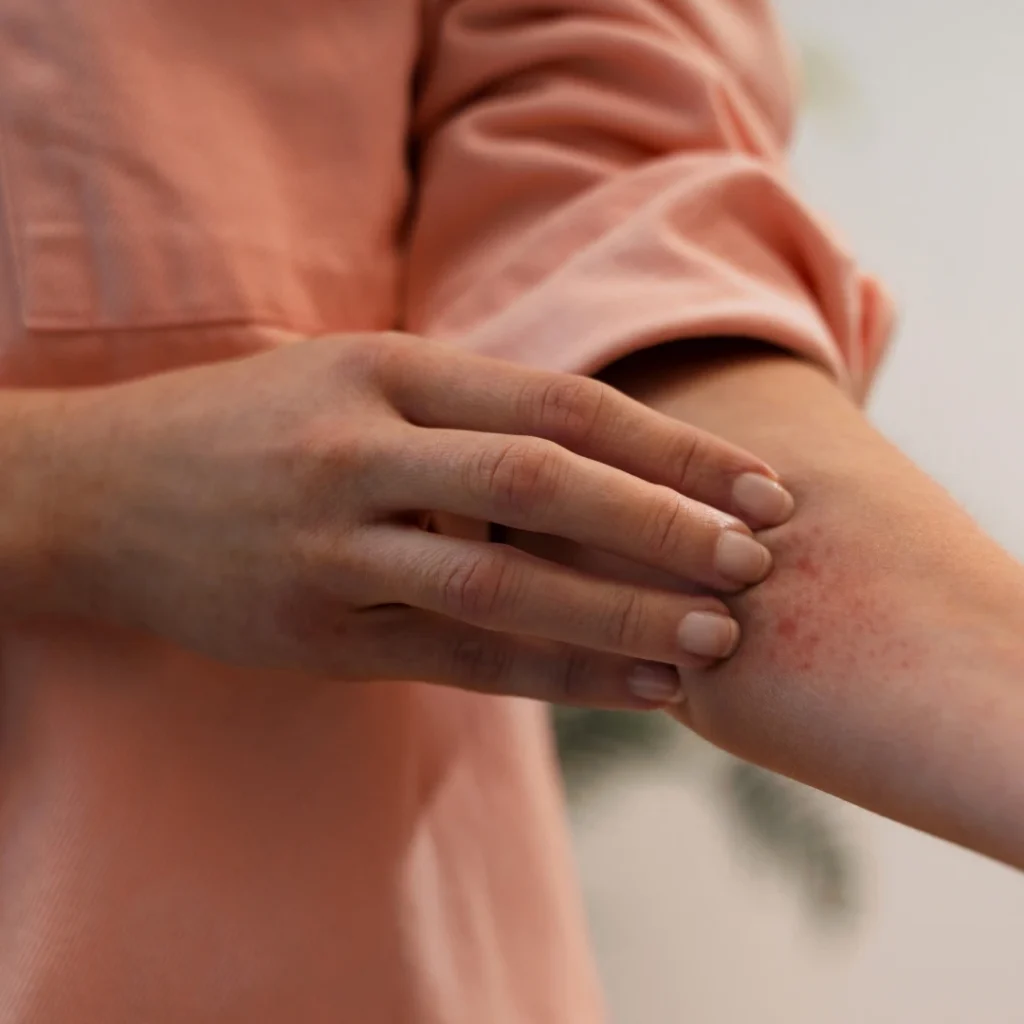
Yes, though timing and method differ. Dark marks in children usually fade well on their own with sun protection, and are rarely worth treating aggressively. Genuine indented scars can be treated, but many procedures are better deferred until the teenage years. A consultation will advise what is appropriate for your child's age and what can safely wait.
Only marginally. Microdermabrasion works on the surface layer, so it can improve dullness and very superficial pigmentation, but it does not reach the depth at which an indented scar sits. For true scarring, subcision, microneedling, fractional resurfacing, or punch techniques are needed. We will tell you honestly if a superficial treatment will not achieve what you want.
Book a free consultation at Reborn Skin and Hair Clinic, Bangalore. A doctor will examine your skin under magnification, separate flat pigment from indented scarring, stretch the skin to identify tethered scars, and map which individual marks can be treated precisely. You will receive a staged plan, a realistic picture of improvement, and a written cost. We see patients from across Bangalore.
Reduce the appearance of chickenpox scars with advanced, doctor-led treatments tailored to your skin. Book your free consultation at Reborn Skin & Hair Clinic, Bangalore, and receive a personalized treatment plan with transparent pricing.
Advanced Skin, hair & Asthetic Treatments Now Closer to You!
Trusted in Pune, Mumbai, Hyderabad, Goa & Jaipur.
Coming Soon to BANGALORE.
Stay Tuned for Our Grand Launch!
EXPERT CARE AWAITS
We’re getting ready to welcome you.
Advanced Skin, hair & Asthetic Treatments Now Closer to You!
Stay Tuned for Our Grand Launch!
EXPERT CARE AWAITS
We’re getting ready to welcome you.