Have you noticed soft yellowish patches on your eyelids, usually near the inner corner? Have they appeared on both sides, and slowly grown over months or years? Do they cause no discomfort at all, yet stay impossible to cover with makeup? Those are xanthelasma, deposits of fat that collect in the skin of the eyelids. They are harmless in themselves, they are not contagious, and they are not cancerous. They can be removed, and we remove them regularly. At Reborn Skin and Hair Clinic, Bangalore, we treat xanthelasma for men and women across the city. Patients come to us from Indiranagar, Koramangala, Whitefield, HSR Layout, Jayanagar, JP Nagar, Marathahalli, Malleshwaram, Electronic City, Bannerghatta Road, Hebbal, and Yelahanka. There are two things about this condition that most pages do not tell you, and both matter more than any technique: xanthelasma is a medical sign as well as a cosmetic one, and it has a real tendency to come back. This page covers both honestly.
We have treated several patients coming for this treatment from nearby localities like Aundh, Pashan, Hinjewadi, Ravet, Balewadi, Wakad, Pimple Saudagar, Pimple Nilakh, PCMC, Park Street, Sus and Mahalunge in Pune.
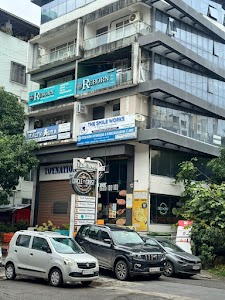
2ND FLOOR, TULIP TOWER, above TOYNATION, Madhavbaug Society, Balewadi Phata, Baner, Pune, Maharashtra 411069
We have provided treatment to a number of patients who came from Pune station and surrounding areas, including Wagholi, Kharadi, Wadgaon Sheri, Viman Nagar, Camp, Amanora Park, Magarpatta, Kalyani Nagar, Hadapsar, NIBM Road, Fatima Nagar, Salunkhe Vihar, Wanwadi and Mundhwa, in Pune.
1ST FLOOR, Gera legend, UNIT NO 107, N Main Rd, above KRISHNA MEDICARE, Ragvilas Society, Koregaon Park, Pune, Maharashtra 411001
We have treated various patients who came for this treatment from adjacent areas, such as Swargate, Deccan Gymkhana, Karve Nagar, Kothrud, Model Colony, Prabhat Road, Bhandarkar Road, Nanded City, Warje, and Katraj in Pune.
CTS No 33, Deccan Chamber, A2 2nd Floor, Nr Sahaydri Hospital, 20, Karve Rd, nr. Garware Metro station, above Mitsubishi cooling Planet, Deccan Gymkhana, Pune, Maharashtra 411004


Treatment |
Cost per session |
|---|---|
| Xanthelasma Treatment in Bangalore (starting) | Starts at ₹2,000 |
Prices mentioned are indicative and may vary based on individual condition and treatment plan. Final pricing confirmed after consultation. EMI available.
What Affects the Cost?
Easy EMI Options Available – Zero-interest EMI plans available on select packages.
No Hidden Charges, Ever – All prices include consultation, sessions, and post-care guidance.
When considering the xanthelasma removal cost near me, we offer transparent, customized pricing with no hidden charges.
Xanthelasma palpebrarum, to give it its full name, is a collection of fat-laden cells that build up in the skin of the eyelid.
What it looks like. Soft, flat or slightly raised, yellow to yellow-orange patches. Most commonly on the upper eyelid near the inner corner, often on both sides symmetrically, and sometimes on all four lids. The surface is smooth and the plaques do not hurt.
How it behaves. It grows slowly and does not go away on its own. Once present, plaques tend to enlarge gradually and new ones can appear alongside them over years.
What it is not. It is not an infection, not contagious, not a cyst, and not a form of skin cancer. It does not usually affect vision, although a large plaque on the upper lid can occasionally feel heavy.
Who gets it. It is more common in women, most often appears between the ages of 30 and 60, and is more common in people with lipid abnormalities, diabetes, thyroid disease, and liver conditions, as well as in those with a family history.
This is the part that matters most, and it is the reason a dermatologist rather than a beauty clinic should be involved.
Xanthelasma is a visible sign, not just a blemish. In a substantial proportion of people who have it, blood tests show raised cholesterol, raised LDL, low HDL, or another lipid abnormality that had not been picked up.
It carries meaning even when lipids are normal. Research has consistently found that people with xanthelasma have a higher likelihood of atherosclerosis, heart attack, and ischaemic heart disease than people without it, and that this association holds even in those whose cholesterol comes back normal. It is treated in medicine as a marker worth taking seriously.
What that means for you. We will recommend a fasting lipid profile, and depending on your history and results, tests for blood sugar, thyroid function, and liver function. If anything is abnormal, we will explain it and advise you to see a physician for cardiovascular risk assessment and management.
This is not us being difficult about a cosmetic request. You can absolutely have your plaques removed. We would simply rather that you also walk out knowing whether there is something underneath worth managing, because the plaques are cosmetic and what they can signal is not.
Managing lipids also helps the plaques. Controlling cholesterol does not reliably clear existing xanthelasma, but it reduces the chance of new plaques forming and of treated ones returning, which directly affects how well your removal holds.
This section exists because of what people search for, and because the eyelid is the least forgiving place on the body to experiment.
Salicylic acid preparations sold for warts are not for eyelid skin. Applied near the eye they cause chemical burns, and if any runs or is transferred by a fingertip it can injure the surface of the eye itself. Do not use them here under any circumstances.
Applying crushed garlic to the eyelid is a widely shared remedy and it causes chemical burns. Garlic on thin skin under occlusion produces blistering and lasting scarring, and on an eyelid that is a serious outcome. It does not dissolve the plaque.
This is a genuine professional treatment for xanthelasma, applied at a specific strength, in precise amounts, with the eye shielded and the acid neutralised at the right moment by someone trained to judge it. The same acid applied at home has caused corneal injury, deep burns, scarring, and lasting eyelid deformity. Please do not.
None of them dissolve a lipid plaque sitting in the dermis. Vinegar and other acidic preparations irritate and can burn eyelid skin.
The skin here is the thinnest on the body, it sits directly over the eye, and it scars and pigments readily. A burn that would be minor on a forearm can pull the eyelid out of shape here, which is difficult and expensive to correct.
If you have already tried something and the skin is blistered, weeping, discoloured, or your eye is irritated, please come in and let a doctor examine you rather than waiting.
The right method depends on how thick the plaque is, how large, where it sits, and how many lids are involved.
Focused acid application. A high-strength acid is applied precisely to the plaque and neutralised, with the eye protected throughout. The treated area frosts, crusts over a few days, and heals over one to two weeks. Usually repeated across 2 to 4 sittings for thicker plaques. Suits thin to moderate plaques and is the most accessible option.
Laser ablation. Ablative laser vaporises the plaque layer by layer with fine control, which is useful near the lid margin where precision matters. Healing takes one to two weeks with crusting. Settings are chosen carefully on brown skin to limit pigmentation afterwards.
Radiofrequency or electrocautery ablation. The plaque is removed with a fine tip under local anaesthetic. Quick, precise, and well suited to small and moderate lesions.
Cryotherapy. Controlled freezing applied to the plaque. Simple and quick, though pigment change afterwards is more likely on darker skin, so it is used selectively here.
Surgical excision. The plaque is cut out and the skin closed with fine sutures. This is the option for thick, large, or long-standing plaques, and it gives the lowest recurrence rate of any method. Where a plaque is very extensive, the closure may be planned in the same way as eyelid surgery. It leaves a fine line that settles into the natural lid crease in most cases.
How we choose. Thin, flat plaques usually do well with acid or laser. Thick, raised, or extensive plaques are generally better excised. If a method is being suggested to you that does not match the thickness of your plaque, ask why.
Recurrence is the single most common disappointment with this condition, and it is not usually a sign that anything was done badly.
How often. A meaningful proportion of treated xanthelasma returns, either at the same site or nearby. Rates are higher after non-surgical methods than after surgical excision, and higher again where all four eyelids are involved.
What makes recurrence more likely. Uncontrolled cholesterol or other lipid abnormality, involvement of multiple lids, larger and thicker plaques, and an existing lipid disorder in the family.
What reduces it. Getting your lipids assessed and managed, complete removal rather than partial reduction, and treating thicker plaques with an appropriate method rather than a gentler one that leaves deposits behind.
What to expect practically. Many people need a further treatment at some point over the following years. That is a normal part of managing this condition rather than a failure. We will tell you at your consultation what we think the likelihood is in your particular case.
On medicines. There is no cream, oral medicine, or supplement that dissolves an existing xanthelasma plaque. Lipid-lowering treatment prescribed by a physician is worth having for your cardiovascular health and reduces new plaque formation, but it will not clear the ones you already have.
Several other things on the eyelid look similar, and they need different treatment.
Any eyelid lesion that bleeds, ulcerates, grows quickly, distorts the lash line, or looks different from the others needs assessment rather than cosmetic removal. A doctor will examine it properly before anything is planned.
A doctor examines the plaques under magnification, measures and photographs them, and assesses thickness, position relative to the lid margin, and how many lids are involved. The eye itself and the lid function are checked. Your medical history, family history of lipid problems and heart disease, medicines, diabetes, thyroid, and liver history are recorded, and any other lipid deposits on the body are looked for. You are then advised on blood tests, given a method recommendation, told the recurrence likelihood in your case, and given a written cost.
A fasting lipid profile is arranged, with blood sugar, thyroid, and liver tests where indicated. Results are reviewed and you are referred to a physician if anything needs managing. Blood thinners are reviewed before excision. A patch test is not usually needed, but skin type and any tendency to pigment or scar is recorded, and antiviral cover is prescribed if you have a history of cold sores.
Numbing cream and local anaesthetic are used. Your eye is protected with a shield or by careful technique throughout. Acid is applied precisely and neutralised, laser is delivered layer by layer, or the plaque is excised and closed with fine sutures depending on the plan. Ointment is applied and you are given clear written aftercare.
15 to 30 minutes for acid, laser, or ablation. 30 to 45 minutes for surgical excision.
None. All of these are day treatments and you go home the same day.
Crusting separates over one to two weeks and the area looks pink for several weeks. Pigment settles over 2 to 3 months. Surgical scars fade over 6 to 12 months.
Critical Safety Note : Tell your doctor about every medicine and supplement including blood thinners and aspirin, and about diabetes, thyroid disease, liver disease, and any known lipid disorder or family history of early heart disease. Declare any eye condition, glaucoma, dry eye, recent eye surgery, or eye drops you use. Declare any history of keloid or thickened scarring, cold sores, or a tendency to darken after minor injury. Tell us about anything you have already applied to the area yourself, including garlic, castor oil, vinegar, wart remover, or acid bought online, since the skin may need time to recover first.
Searching for a dermatologist near you in Bangalore? Our team of qualified skin doctors, dermatologists and hair specialists personalizes every treatment based on your skin type and concern. Consult our dermatologist in Bangalore and skin specialists at our nearest skin and hair clinic
MBBS, DVD
Dermatologist & Venerologist
MDS(Maxillofacial surgeon)
Aesthetic Physician
MDS, Maxillofacial &
Hair Transplant Surgeon
MBBS, DDV, FAM
Dermatologist
MBBS, DVD
Dermatologist & Venerologist
MDS(Maxillofacial surgeon)
Aesthetic Physician
MDS, Maxillofacial &
Hair Transplant Surgeon
MBBS, DDV, FAM
Dermatologist
Xanthelasma palpebrarum is a build-up of fat-laden cells in the skin of the eyelids, appearing as soft yellow patches, most often near the inner corner of the upper lid and frequently on both sides. It is linked to lipid abnormalities such as raised cholesterol or LDL, and also occurs with diabetes, thyroid disease, liver conditions, and a family history, sometimes with entirely normal blood tests.
The plaques themselves are harmless, cause no pain, and are neither contagious nor cancerous. What matters is what they can signal. People with xanthelasma have a higher likelihood of atherosclerosis and heart disease than people without it, and this association holds even when cholesterol is normal. That is why a lipid profile and cardiovascular risk assessment are recommended alongside removal.
Not necessarily. A substantial proportion of people found to have xanthelasma turn out to have raised cholesterol, raised LDL, or low HDL that had not been picked up. Many others have entirely normal lipids. Either way the finding is worth knowing, which is why we recommend a fasting lipid profile and, where indicated, blood sugar, thyroid, and liver tests.
Options include precise application of a high-strength acid with the eye protected, ablative laser, radiofrequency or electrocautery ablation, cryotherapy, and surgical excision. The choice depends on thickness, size, position relative to the lid margin, and how many lids are involved. Thin plaques often respond to acid or laser, while thick or extensive plaques are usually better excised.
No, and these cause real harm. Garlic on eyelid skin produces chemical burns and scarring. Salicylic acid wart removers can burn the lid and injure the surface of the eye. Trichloroacetic acid bought online has caused corneal injury and lasting eyelid deformity. The eyelid is the thinnest skin on the body and sits directly over the eye.
Often, yes. A meaningful proportion recurs at the same site or nearby. Recurrence is more likely after non-surgical methods than after surgical excision, where multiple lids are involved, with thicker plaques, and where lipids remain uncontrolled. Many people need further treatment at some point over the following years, which is normal management rather than a failed procedure.
No cream, tablet, or supplement dissolves an existing plaque. Lipid-lowering treatment prescribed by a physician is worth having for your cardiovascular health and reduces the chance of new plaques forming and of treated ones returning, but it will not clear plaques that are already present. Those need physical removal.
Some mark is possible with any method. The treated area crusts for one to two weeks and stays pink for several weeks. On brown skin, temporary darkening or lightening is common and usually settles over 2 to 3 months. Surgical excision leaves a fine line that generally settles into the natural lid crease and fades over 6 to 12 months.
Acid and laser treatments commonly need 2 to 4 sittings spaced several weeks apart, particularly for thicker plaques, since each session removes a layer. Surgical excision is usually a single procedure. Your doctor will tell you the expected number after examining the thickness and extent of your plaques rather than quoting a package upfront.
Book a free consultation at Reborn Skin and Hair Clinic, Bangalore. A doctor will examine the lesions under magnification, confirm they are xanthelasma rather than syringomas, milia, or something else, arrange a lipid profile and any other blood tests indicated, and recommend the removal method suited to their thickness and position. You will get an honest view of recurrence and a written cost. We see patients from across Bangalore.
Reduce the appearance of xanthelasma around the eyes with personalized, doctor-led treatment in Bangalore. Book your free consultation today.
Advanced Skin, hair & Asthetic Treatments Now Closer to You!
Trusted in Pune, Mumbai, Hyderabad, Goa & Jaipur.
Coming Soon to BANGALORE.
Stay Tuned for Our Grand Launch!
EXPERT CARE AWAITS
We’re getting ready to welcome you.
Advanced Skin, hair & Asthetic Treatments Now Closer to You!
Stay Tuned for Our Grand Launch!
EXPERT CARE AWAITS
We’re getting ready to welcome you.