Have brown or greyish patches appeared across your cheeks, upper lip, or forehead, and refused to fade no matter what you apply? Do they darken every summer and lighten a little in the monsoon, only to come back? That pattern is typical of melasma. It is not a tan and it is not dirt. It is a hormonal and sun-triggered pigmentation problem where the pigment-producing cells in the skin become overactive in patches. Bangalore makes it harder to manage. The midday UV is strong all year, commutes are long and open, and heat from traffic and cooking is itself a trigger. Melasma needs a planned medical approach, not another cream bought online. At Reborn Skin and Hair Clinic, Bangalore, we treat melasma for women and men across the city. Patients come to us from Indiranagar, Koramangala, Whitefield, HSR Layout, Jayanagar, JP Nagar, Marathahalli, Malleshwaram, Electronic City, Bannerghatta Road, Hebbal, and Yelahanka. We will be straight with you from the start. Melasma is a long-term condition. It is controlled and kept faded rather than cured, and it can return if sun protection slips or hormones change. What a proper plan does is lighten the patches significantly, hold them there, and stop the cycle of things getting worse each year. That is a realistic and very achievable goal.
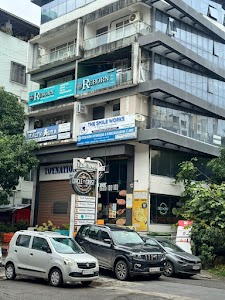
We have treated several patients coming for this treatment from nearby localities like Aundh, Pashan, Hinjewadi, Ravet, Balewadi, Wakad, Pimple Saudagar, Pimple Nilakh, PCMC, Park Street, Sus and Mahalunge in Pune.
2ND FLOOR, TULIP TOWER, above TOYNATION, Madhavbaug Society, Balewadi Phata, Baner, Pune, Maharashtra 411069
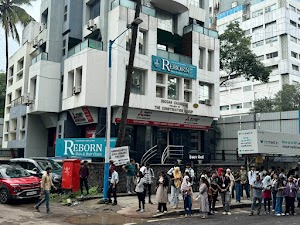
We have provided treatment to a number of patients who came from Pune station and surrounding areas, including Wagholi, Kharadi, Wadgaon Sheri, Viman Nagar, Camp, Amanora Park, Magarpatta, Kalyani Nagar, Hadapsar, NIBM Road, Fatima Nagar, Salunkhe Vihar, Wanwadi and Mundhwa, in Pune.
1ST FLOOR, Gera legend, UNIT NO 107, N Main Rd, above KRISHNA MEDICARE, Ragvilas Society, Koregaon Park, Pune, Maharashtra 411001
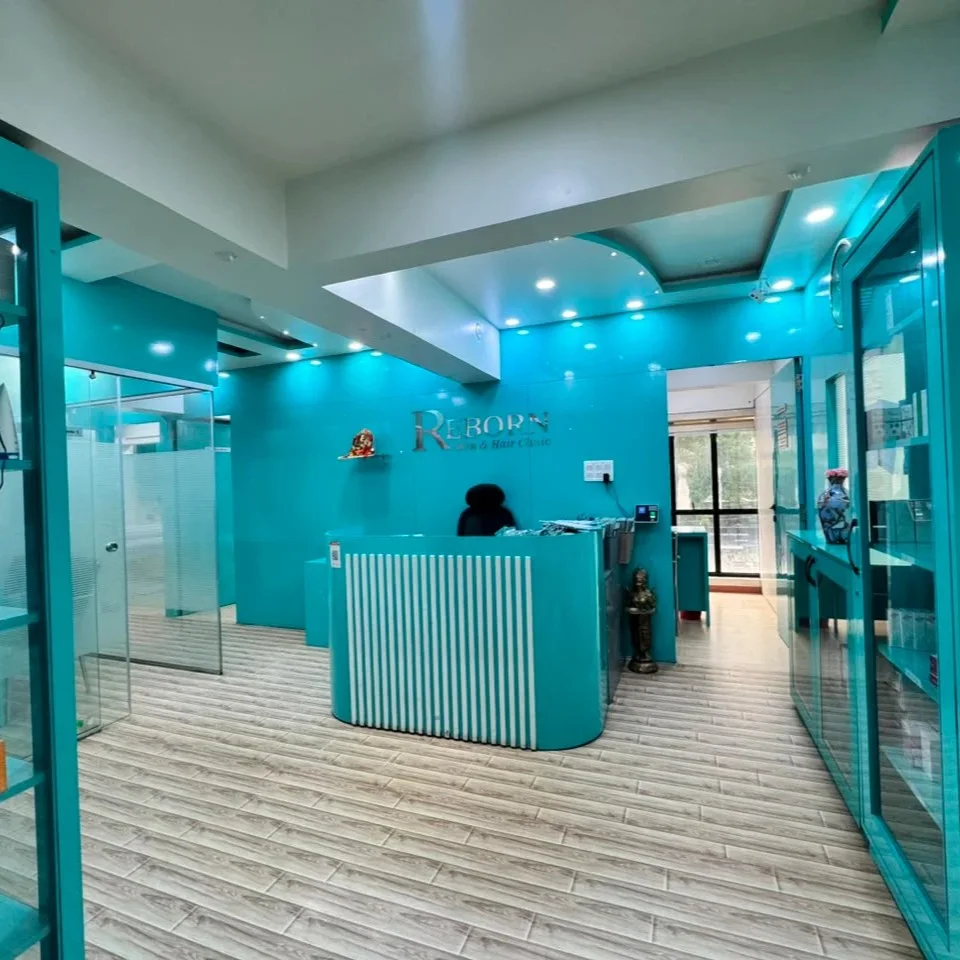
We have treated various patients who came for this treatment from adjacent areas, such as Swargate, Deccan Gymkhana, Karve Nagar, Kothrud, Model Colony, Prabhat Road, Bhandarkar Road, Nanded City, Warje, and Katraj in Pune.
CTS No 33, Deccan Chamber, A2 2nd Floor, Nr Sahaydri Hospital, 20, Karve Rd, nr. Garware Metro station, above Mitsubishi cooling Planet, Deccan Gymkhana, Pune, Maharashtra 411004


Treatment |
Cost per session |
|---|---|
| Melasma Treatment in Bangalore (starting) | Starts at ₹4,000 |
Prices mentioned are indicative and may vary based on individual condition and treatment plan. Final pricing confirmed after consultation. EMI available.
What Affects the Cost?
Easy EMI Options Available – Zero-interest EMI plans available on select packages.
No Hidden Charges, Ever – All prices include consultation, sessions, and post-care guidance.
When considering the melasma treatment cost near me, we offer transparent, customized pricing with no hidden charges.
We’re bringing advanced skin, hair & aesthetic treatments closer to you.
Reborn Skin & Hair Clinic is arriving soon in Bangalore.
Stay tuned for our grand opening and experience expert care with personalized treatments.
Opening Soon • Bangalore
A dermatologist examines the patches closely, often under a Wood's lamp, which helps show how deep the pigment sits. You will be asked how long it has been there, whether it started in pregnancy or after starting a contraceptive pill, how it behaves in summer, and what you have already used. Thyroid problems, PCOS, and certain medicines are checked, since all can drive pigmentation. Blood tests may be advised. The doctor then explains the depth and type of your melasma and builds a plan around it.
Before any peel or laser, a small test area is treated in a hidden spot and watched over 24 to 48 hours. This step is not optional in melasma. Skin with melasma is already reactive, and an overly strong treatment can darken it further instead of lightening it. The patch test confirms a strength your skin tolerates.
Melasma responds to layers of treatment working together rather than a single procedure. Depending on your case, your plan may include: Prescription topical creams. Doctor-selected depigmenting agents used at home, which do most of the long-term work. Tranexamic acid. Used topically, and in selected cases orally or through microneedling, under medical supervision. Gentle medical peels. Low-strength acid peels that lift surface pigment gradually. Microneedling with actives. Delivers pigment-controlling ingredients into the skin at a controlled depth. Laser toning. Very gentle, low-energy laser passes, used carefully and only where suitable. Skin boosters and barrier repair. Because damaged, inflamed skin makes melasma worse. Strict sun protection. The single most important part of the plan, and the one most people skip. Duration: In-clinic sessions take about 30 to 45 minutes.
In-clinic sessions take about 30 to 45 minutes.
Most people need 6 to 8 in-clinic sessions spaced 2 to 4 weeks apart, alongside daily home treatment. Visible lightening usually begins around week 4 to 6 and builds across the course. Melasma then needs maintenance, often lighter sessions every 2 to 3 months and continued home care, because stopping everything is what brings it back.
Melasma has no permanent cure. Anyone offering one is not being straight with you. It also relapses with sun, heat, pregnancy, and hormonal changes. Treated properly, it fades substantially and stays faded, but it needs ongoing care rather than a one-time fix.
Melasma in men is more common than most people realise, and it is often missed or mistaken for a tan. In Bangalore, men who commute long hours on two-wheelers get heavy, sustained sun and heat exposure on the cheeks, forehead, and nose. Most do not use sunscreen at all. Patches on the cheekbones, forehead, and along the jaw are the usual pattern. Because it is often assumed to be tanning, men frequently arrive after years of scrubbing and bleaching, which has made the skin more reactive.
The approach is the same, with the plan built around lifestyle. Prescription topicals reduce pigment production, gentle peels lift what has formed, and tranexamic acid may be added where suitable. The bigger change is usually behavioural: daily sunscreen, reapplication during the day, and protection while riding. Without those, treatment fights a losing battle against fresh sun exposure every morning.
Most men see lightening from around week 4 to 6, with steady improvement across the course. Results hold well where sun protection is followed and slip quickly where it is not. Men should also stop using bleach, scrubs, and fairness creams entirely, as these irritate the skin and irritation is itself a melasma trigger.
Melasma is far more common in women, and hormones are usually part of the reason. It often appears for the first time during pregnancy, which is why it is sometimes called the mask of pregnancy. It can also start after beginning a contraceptive pill, during perimenopause, or after a hormonal treatment. Add Bangalore’s year-round UV and long commutes, and the patches deepen quickly. Many women in the city first notice it on the cheeks, upper lip, and forehead.
The doctor first checks what is driving it. If it began with a contraceptive pill, that is discussed with your gynaecologist. Prescription topicals then reduce the overactive pigment production, while gentle peels and microneedling clear pigment that has already formed. Tranexamic acid is often added, as it works on the signalling that keeps melasma switched on. Everything is layered slowly, because pushing hard causes rebound darkening.
Most women see the patches begin to lighten by week 4 to 6, with clear improvement across a full course. Pregnancy-related melasma often fades partly on its own in the months after delivery, and treatment then clears the rest. Melasma linked to ongoing hormonal factors improves but needs steady maintenance. Your doctor will set that expectation before you begin rather than after.
If You Are Pregnant or Breastfeeding: Several standard melasma treatments are not used at this time, including some prescription creams and oral medication. Sun protection, gentle skincare, and safe topical options are used instead, and stronger treatment is planned for after. Always tell your doctor.
Common Triggers We Look For
Critical Safety Note:-Tell your doctor if you are pregnant, planning a pregnancy, or breastfeeding. Also share whether you take a contraceptive pill or any hormonal medication, and whether you have thyroid disease, PCOS, or liver problems. If oral tranexamic acid is being considered, you must disclose any history of blood clots, deep vein thrombosis, stroke, heart disease, or clotting disorders in yourself or your family, and whether you smoke. That medicine is prescription-only and needs proper screening. It should never be taken on someone else’s recommendation.
The most common site, usually symmetrical on both sides.
A very common and distressing pattern, often mistaken for a shadow.
Frequently affected in both men and women.
Often part of the central facial pattern.
Usually appears alongside the cheeks.
Treated with gentler strengths as the skin is thinner.
Common with sun exposure and hormonal patterns.
Sun-exposed areas that can develop the same patchy pigment.
Searching for a dermatologist near you in Bangalore? Our team of qualified skin doctors, dermatologists and hair specialists personalizes every treatment based on your skin type and concern. Consult our dermatologist in Bangalore and skin specialists at our nearest skin and hair clinic
MBBS, DVD
Dermatologist & Venerologist
MBBS, MD
Dermatologist
MDS(Maxillofacial surgeon)
Aesthetic Physician
MDS, Maxillofacial &
Hair Transplant Surgeon
MBBS, DDV, FAM
Dermatologist
Searching for a dermatologist near you in Mumbai? Our team of qualified skin doctors, dermatologists and hair specialists personalizes every treatment based on your skin type and concern. Consult our dermatologist in Mumbai and skin specialists at our nearest skin and hair clinic
MBBS, DVD
Dermatologist & Venerologist
MBBS, MD
Dermatologist
MDS(Maxillofacial surgeon)
Aesthetic Physician
MDS, Maxillofacial &
Hair Transplant Surgeon
MBBS, DDV, FAM
Dermatologist
Melasma happens when pigment-producing cells become overactive in patches, driven by a combination of hormones and sun. It commonly starts during pregnancy, after beginning a contraceptive pill, or around perimenopause. Sun exposure, heat, and visible light all trigger it, and thyroid problems and PCOS can contribute. It appears as brown or greyish patches, usually symmetrical across the cheeks, upper lip, and forehead.
No, and it is important to be straight about this. Melasma has no permanent cure. It is a chronic, relapsing condition that is faded and then kept faded with ongoing care. Treated properly it improves substantially, but it can return with sun, heat, pregnancy, or hormonal changes. Anyone promising a cure is not being honest.
Most people need 6 to 8 in-clinic sessions spaced 2 to 4 weeks apart, alongside daily home treatment. Visible lightening usually begins around week 4 to 6. After that, maintenance sessions every 2 to 3 months and continued home care keep it from rebounding.
It is comfortable. Peels cause mild stinging for a few minutes, and laser toning feels like light warmth. Expect mild redness for a few hours and slight flaking over the following days. Most people return to normal routine the same day, with sunscreen on.
Yes, when it is done gently. Melasma-prone skin is already reactive, and aggressive peels or strong lasers cause rebound darkening in exactly the skin types we treat most. That is why strengths are kept low, a patch test is always done, and the plan builds slowly rather than pushing hard.
Several standard melasma treatments, including some prescription creams and oral medication, are not used during pregnancy or breastfeeding. Sun protection, gentle skincare, and safe topical options are used instead, with stronger treatment planned for afterwards. Always tell your doctor.
It is a useful prescription option, but it needs proper screening. You must disclose any history of blood clots, deep vein thrombosis, stroke, heart disease, clotting disorders in the family, and whether you smoke or take a contraceptive pill. It should never be taken on someone else's recommendation or bought without a prescription.
Usually sun and heat. Most people know about UV but not that heat itself triggers melasma, including heat from cooking, traffic, and hot weather. Visible light through car and office windows also contributes. Hormonal changes, contraceptive pills, and stopping treatment too early are the other common reasons.
They look similar and are treated very differently, which is why diagnosis comes first. Tan is even and fades over weeks if you stay out of the sun. Melasma is patchy, often symmetrical across the cheeks, upper lip, and forehead, and does not clear on its own. Treating melasma like a tan makes it worse.
Book a free consultation at Reborn Skin and Hair Clinic, Bangalore. A dermatologist will examine your skin, often under a Wood's lamp, to judge the depth and type of pigment, check for hormonal causes, and build a plan you can maintain. You will get a written cost with no hidden charges. We see patients from across Bangalore.
Experience personalized melasma treatments designed to reduce pigmentation and improve your skin’s natural clarity. Book your free consultation at Reborn Skin & Hair Clinic, Bangalore, for an expert skin assessment, a customized treatment plan, realistic expectations, and transparent pricing.
Advanced Skin, hair & Asthetic Treatments Now Closer to You!
Trusted in Pune, Mumbai, Hyderabad, Goa & Jaipur.
Coming Soon to BANGALORE.
Stay Tuned for Our Grand Launch!
EXPERT CARE AWAITS
We’re getting ready to welcome you.
Advanced Skin, hair & Asthetic Treatments Now Closer to You!
Stay Tuned for Our Grand Launch!
EXPERT CARE AWAITS
We’re getting ready to welcome you.