

Micropigmentation vs Microblading Eyebrows
Eyebrows shape your face more than you realize – they can make you look youthful, defined, or tired and uneven. Many people struggle with sparse, patchy, or thinning brows due to aging, over-plucking, or health conditions.
In fact, the semi-permanent eyebrow treatment industry has grown rapidly, with microblading alone seeing a global market size worth billions.
Our Nearest Skin and Hair Clinic in India
Choose Your City
Choose Your Location
Our Clinic Near You
is Located in Andheri West
is Located in Porvorim
is Located in Bapu Nagar
is Located in Kukatpally
is Located in Banjara Hills
is Located in Baner
is Located in Karve Road
is Located in Koregaon Park
Dermatologists and cosmetic experts agree that procedures like micropigmentation and microblading are among the safest and most effective ways to achieve long-lasting, natural-looking eyebrows – when performed by trained professionals.
But here’s the catch: while both techniques aim for fuller, defined brows, they’re not the same. From the tools used to how natural the results look, the healing time, and even the side effects – each method has unique pros and cons.
So, how do you know which one is right for you?
In this blog, we’ll break down micropigmentation vs microblading eyebrows step by step, so you can make a confident choice for your dream brows.
What is Micropigmentation Eyebrows?
Definition & Process
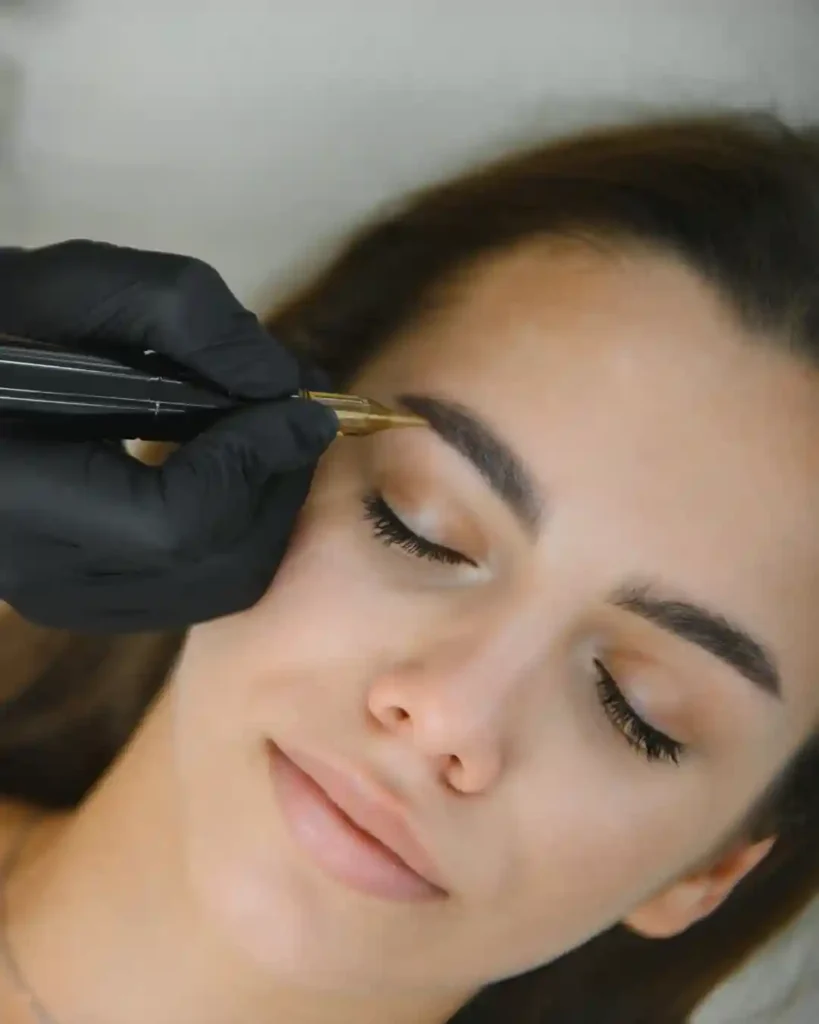
Eyebrow micropigmentation, also called cosmetic tattooing or powder brows, is a semi-permanent technique where a digital machine implants pigment into the upper layers of the skin.
Unlike microblading, which focuses only on brows, micropigmentation can be done on multiple areas such as the scalp, eyebrows, and lips through lip micropigmentation to add colour and definition.
How It Works & Who It’s Suitable For
This method creates a shaded, powder-like effect that mimics the look of filled-in brows with makeup. It’s particularly suitable for people with oily skin, those with very sparse brows, or anyone who prefers a fuller, more defined finish rather than hair-like strokes.
Individuals with sensitive skin who may not be ideal candidates for microblading often find micropigmentation to be a safer and longer-lasting alternative.
Longevity & Maintenance
Results from micropigmentation eyebrows can last anywhere from 1 to 3 years, depending on skin type, lifestyle, and aftercare. The color gradually fades over time, requiring touch-ups every 1–2 years to maintain the desired look.
Proper aftercare – like avoiding excessive sun exposure and using gentle skincare around the brows – can extend the life of the pigment.
What is Microblading Eyebrows?
Definition & Process
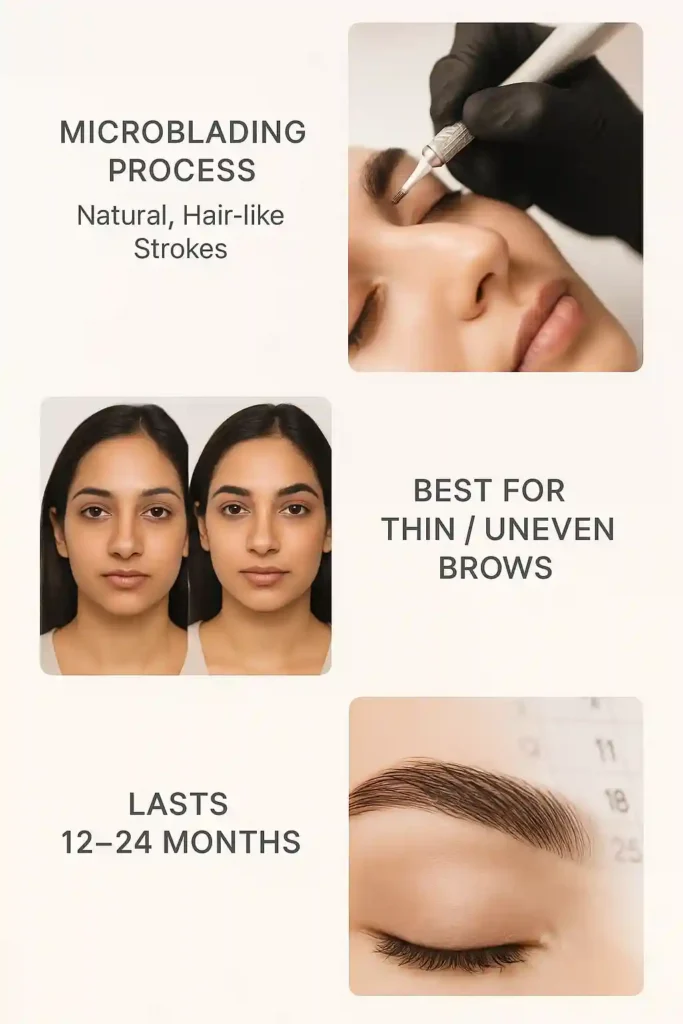
Microblading eyebrows is a semi-permanent technique where a skilled technician uses a manual hand tool with ultra-fine blades to deposit pigment into the skin.
The tool creates delicate, hair-like strokes that mimic the look of natural eyebrow hairs, giving brows a realistic and defined appearance. This is why many people refer to it as permanent eyebrows microblading, even though the results fade over time.
Who Should Consider It
Microblading is best suited for people with normal to dry skin types, individuals with thinning or uneven brows, or anyone looking for a natural “hair-stroke” effect. It’s ideal for those who want to enhance their brows without the bold, powdery finish of micropigmentation.
However, people with oily skin may notice the strokes blur faster, making micropigmentation a better option in such cases.
How Long Results Last
The results of microblading usually last between 12 to 24 months, depending on skin type, aftercare, and lifestyle. Regular touch-ups every 12–18 months are recommended to keep the strokes crisp and fresh. Without maintenance, the pigment gradually fades, leaving a softer, more natural shadow behind.
Micropigmentation vs Microblading Eyebrows: Key Differences
When deciding between micropigmentation and microblading, it’s important to understand how they differ in technique, results, maintenance, and suitability. Here’s a detailed breakdown:
| Feature | Micropigmentation Eyebrows | Microblading Eyebrows |
|---|---|---|
|
Technique
|
Digital machine implants pigment into the skin |
Manual hand tool with fine blades creates hair-like strokes
|
|
Appearance |
Powder-fill or “makeup look” |
Natural, realistic hair-stroke effect
|
|
Healing & Aftercare |
Slight swelling/redness; heals in 7–10 days; minimal scabbing |
May cause scabbing; heals in 10–14 days; more aftercare required |
|
Cost (Average) |
Higher (due to advanced machine use) |
Moderate (manual technique)
|
|
Duration & Fading |
2–5 years; fades gradually and evenly
|
12–24 months; strokes blur faster on oily skin |
|
Best For |
Oily skin, sparse brows, those wanting defined/powdered effect
|
Normal to dry skin, those wanting natural hair-like strokes
|
Factors to Consider Before Choosing
- Skin Type: Oily skin tends to blur microblading strokes faster, making micropigmentation a better choice.
- Lifestyle: Active individuals exposed to sweat, sun, or chlorine may need more frequent touch-ups.
- Pain Tolerance: Both are tolerable with numbing cream, but microblading may feel scratchier due to manual strokes.
- Longevity: Micropigmentation lasts longer, while microblading requires more frequent maintenance.
- Desired Look: Choose micropigmentation for a bold, filled-in brow and microblading for a natural, hair-like finish.
Professional Advice & Consultation Importance
While both treatments deliver beautiful results, the right choice depends on your skin type, lifestyle, and aesthetic goals. Consulting a certified professional is crucial – they’ll analyze your brows, skin condition, and expectations to recommend the best treatment for you.
Remember, a skilled technician not only ensures natural results but also minimizes risks like uneven fading or complications.
Permanent Eyebrow Treatments: Are They Really Permanent?
When people search for permanent eyebrow treatments, they often expect lifelong results. However, both micropigmentation and microblading are actually semi-permanent procedures.
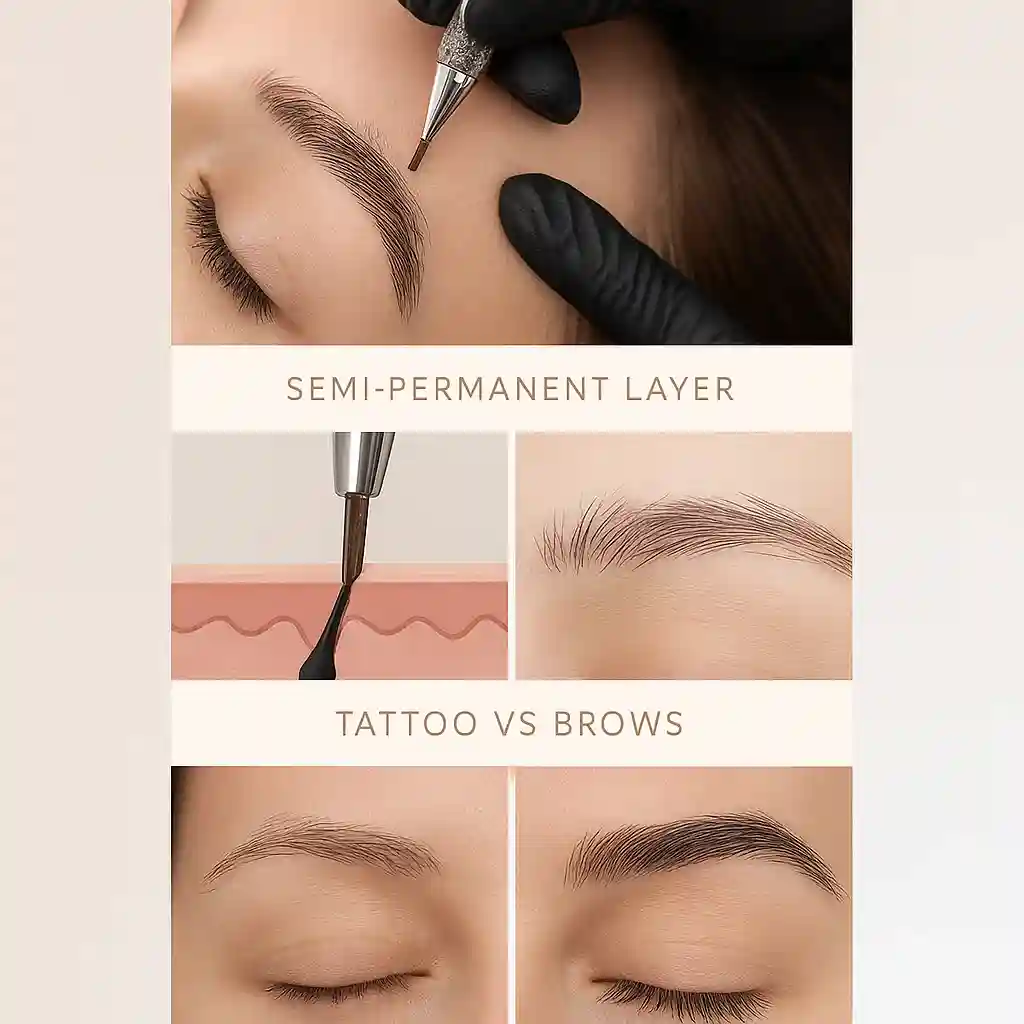
Unlike traditional tattoos that deposit ink deep into the dermis, these techniques place pigment only in the upper skin layers.
This is why the color gradually fades over time instead of staying permanently.
How They Compare to Traditional Tattoos:
- Depth of Pigment: Tattoos go much deeper, making them truly permanent, whereas eyebrow treatments use shallower placement for softer, natural results.
- Pigment Formula: Tattoo inks are designed to last indefinitely, while eyebrow pigments are made to fade gracefully, preventing harsh or unnatural shapes as your face changes with age.
- Flexibility: Semi-permanent brows allow you to adjust the shape, thickness, or color with touch-ups over the years – something impossible with traditional tattoos.
In short, while marketed as permanent eyebrow treatments, both micropigmentation and microblading are designed to evolve naturally, giving you long-lasting brows without the lifelong commitment of a tattoo.
Is Microblading Safe?
Microblading is generally considered safe when performed by a trained and licensed professional using sterile tools and high-quality pigments. However, like any cosmetic procedure, it does come with potential side effects and risks that clients should be aware of.
Common Microblading Eyebrow Side Effects
Most people experience mild and temporary effects after the procedure, including:
- Slight swelling or redness around the brow area.
- Tenderness and minor itching during the healing phase.
- Fading of pigment over time, which is a normal part of the semi-permanent process.
These reactions usually resolve within a few days as the skin heals.
Rare Risks to Be Aware of
In uncommon cases, more serious issues can occur, often linked to poor hygiene or unskilled technicians:
- Infection if the tools are not properly sterilized.
- Scarring due to overly deep cuts.
- Allergic reactions to pigments.
Which One Should You Choose?
Both micropigmentation and microblading offer effective solutions for enhancing your brows, but the right choice comes down to personal needs.
Micropigmentation provides a bold, shaded look with longer-lasting results, while microblading delivers fine, natural hair-like strokes for a softer finish.
Ultimately, your skin type, lifestyle, and desired look will determine which treatment is best for you. Oily skin types often benefit more from micropigmentation, while those seeking natural detail may prefer microblading.
Pro Tip: Always consult a certified professional who can evaluate your brows, explain realistic outcomes, and guide you toward the treatment that aligns with your beauty goals.
FAQs
Neither is universally better - micropigmentation lasts longer and suits oily skin, while microblading gives a softer, natural hair-stroke look for normal to dry skin.
Micropigmentation can last 2–5 years, with touch-ups recommended every 1–2 years to maintain color and definition.
Microblading is often considered the most natural-looking because it creates fine, hair-like strokes that blend seamlessly with real brows.
For oily skin or those wanting longer-lasting results, micropigmentation or powder brows may be better alternatives.
The best technique depends on personal needs - microblading for natural strokes, micropigmentation for defined brows, and hybrid brows for a mix of both.
In India, microblading typically costs between ₹10,000 to ₹25,000, depending on the clinic, city, and artist’s expertise.
Most clients feel only mild discomfort since numbing cream is applied, though some describe the sensation as light scratching or tingling.
No, it’s semi-permanent - results gradually fade and usually last 2–5 years, unlike traditional tattoos.
Nano brows (machine hairstrokes) are gaining popularity as a newer, gentler alternative that mimics natural hairs using a digital machine.
The safest results come from licensed professionals using sterile tools and high-quality pigments, whether it’s microblading, micropigmentation, or nano brows.